Aligned with the Guide's six themes and 24 inquiry tasks, we provide standards-based courses ready for the timetable, lab equipment matched lesson by lesson, and a full set of teaching resources — helping schools actually launch, run well, and sustain "learning by doing".
mapped to the Guide's six themes
full coverage of the Guide's task samples
standards-based course resource pool
from primary science to junior secondary science
The Pioneer Action Guide sets clear requirements for how science class should run: not one-way teacher-talk, but letting students become question-raisers, solution-designers and problem-solvers who experience the full chain of scientific inquiry.
Grades 4–9 can use cross-subject themed learning hours for science, plus comprehensive practice, local and school-based course hours — launch "learning by doing" without adding total class hours.
Each student completes at least 1 inquiry task and no fewer than 4 class hours per semester; Grades 1–3 only do the activities required by the standard, with no extra burden.
Process-based assessment across four dimensions — problem awareness, inquiry practice, reflection & improvement, and collaboration — recorded as part of the competency portfolio, with no separate exam.
The Guide explicitly calls for partnering with universities, research institutes, science venues and nature reserves to support long-cycle, sustained inquiry — exactly where out-of-school education can help.
Fully mapped to the Guide's six themes and 24 task samples; each task follows the learning chain of ask–explore–design–test–reflect, ready for the timetable.
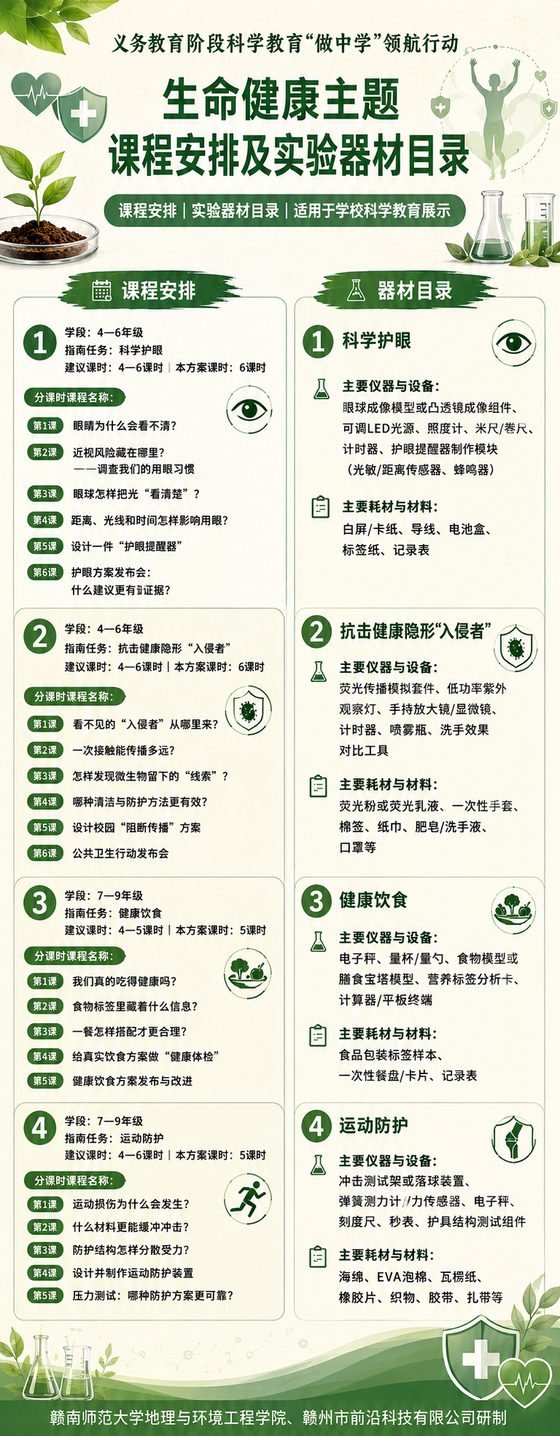
Embodying "health first", tasks on body structure, disease prevention, nutrition and health help students become practitioners of a Healthy China.
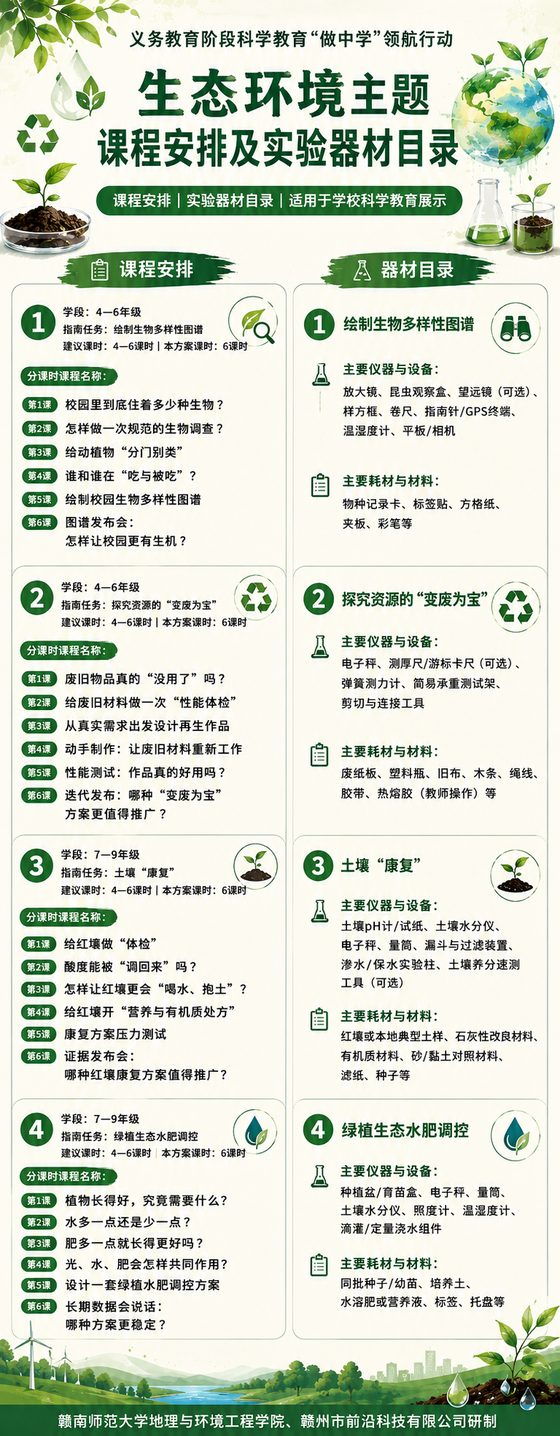
Inquiry into biodiversity, resource cycling and ecological restoration cultivates values of harmony between people and nature.
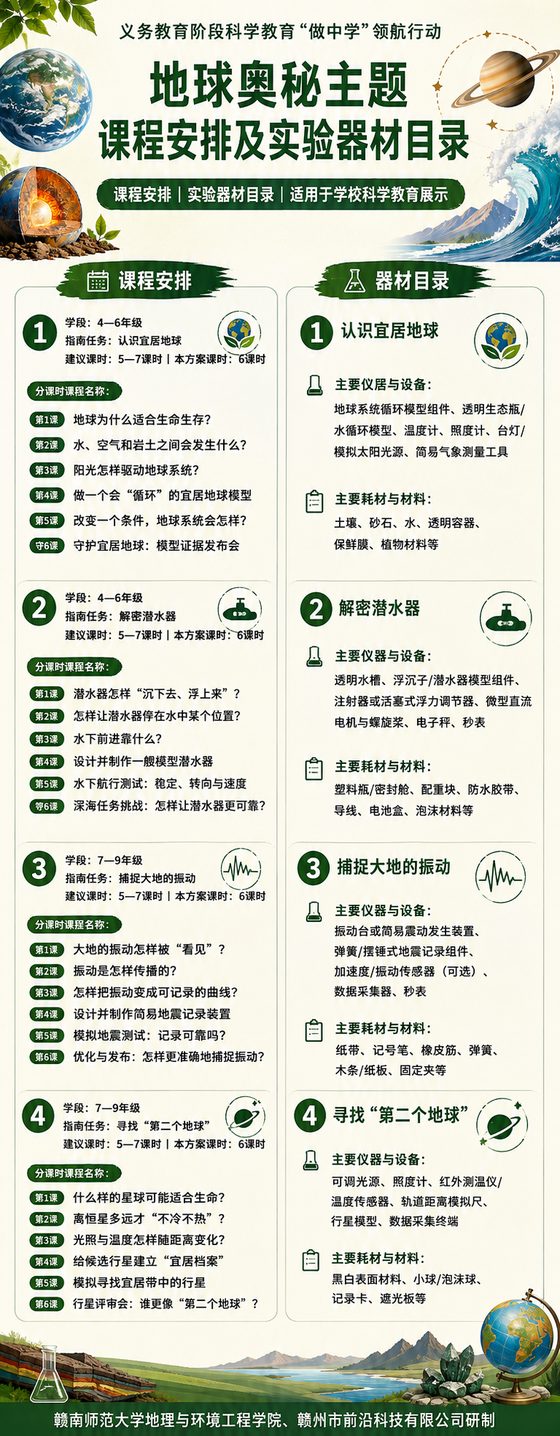
Focus on the habitable Earth, deep-sea and deep-earth exploration, and planetary science; feel the spirit of independent innovation behind China's deep exploration.
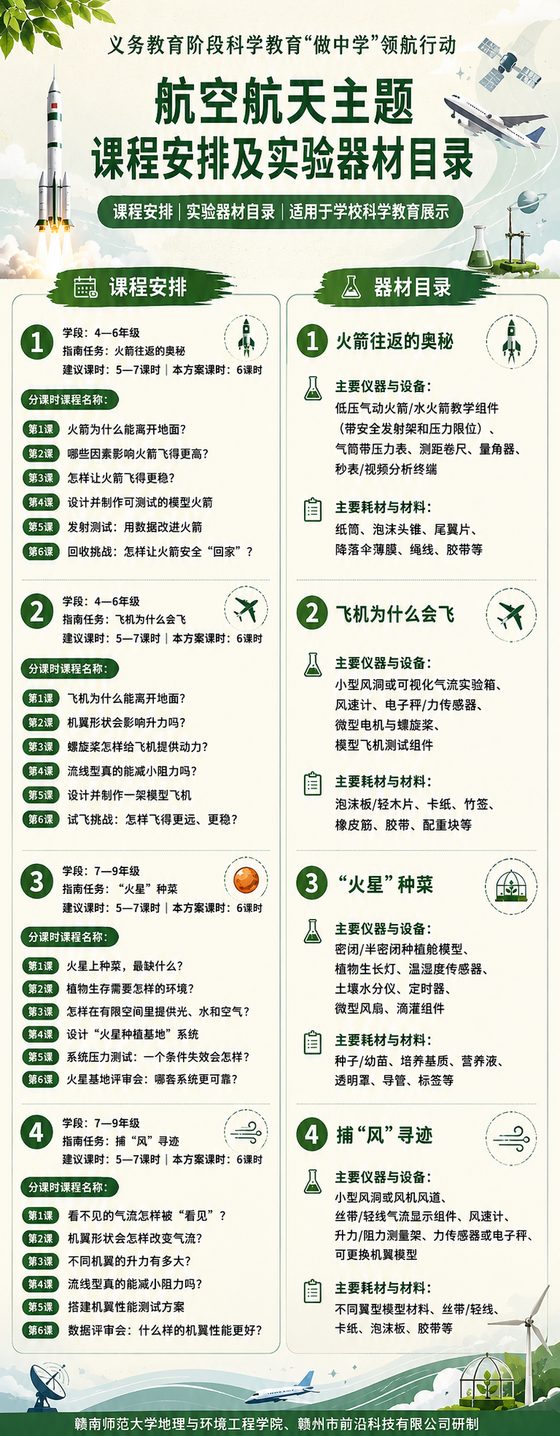
From water rockets to wing-performance tests, cultivate engineering, systems and innovative thinking, and a sense of serving the nation through aerospace.
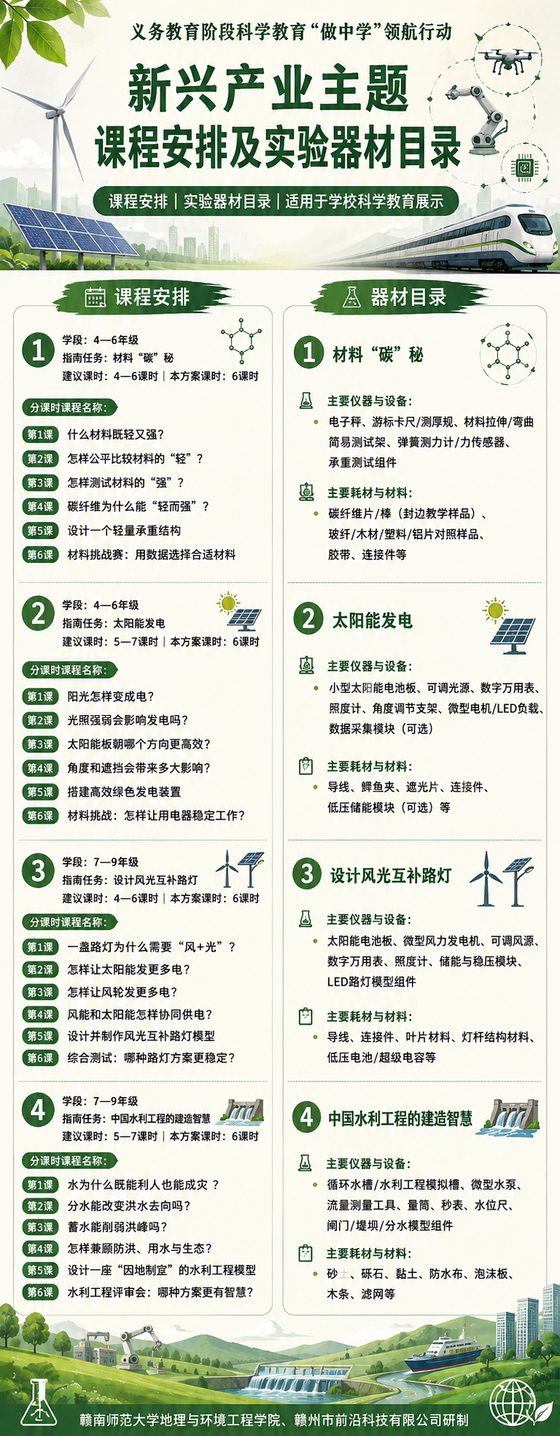
Real-world problems from new materials, new energy and engineering construction enter the classroom, showing how industry change shapes life and society.
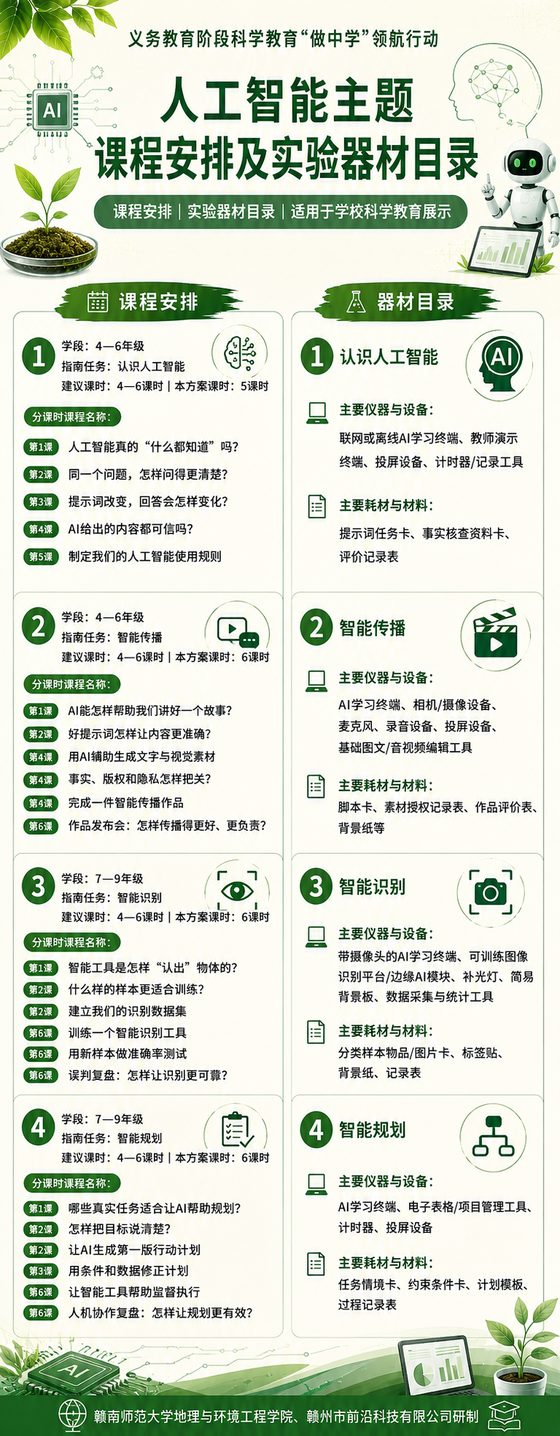
From understanding AI to smart recognition and planning, build digital literacy and learn to use AI safely and responsibly.
All equipment is built for "teachable, reusable, easy to store", managed lesson-by-lesson as "one bag per lesson", with color-coded zones that nurture independent inquiry habits.
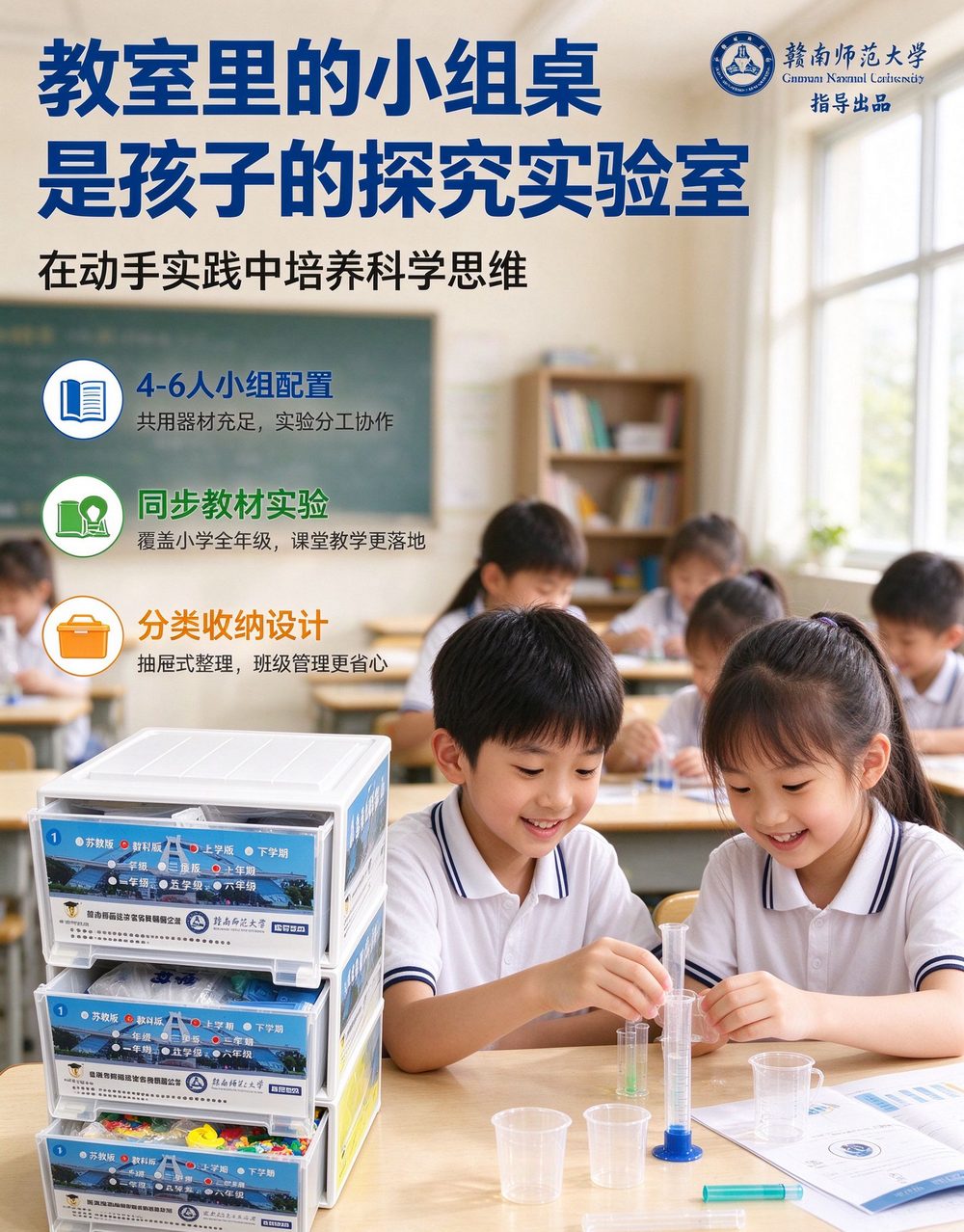
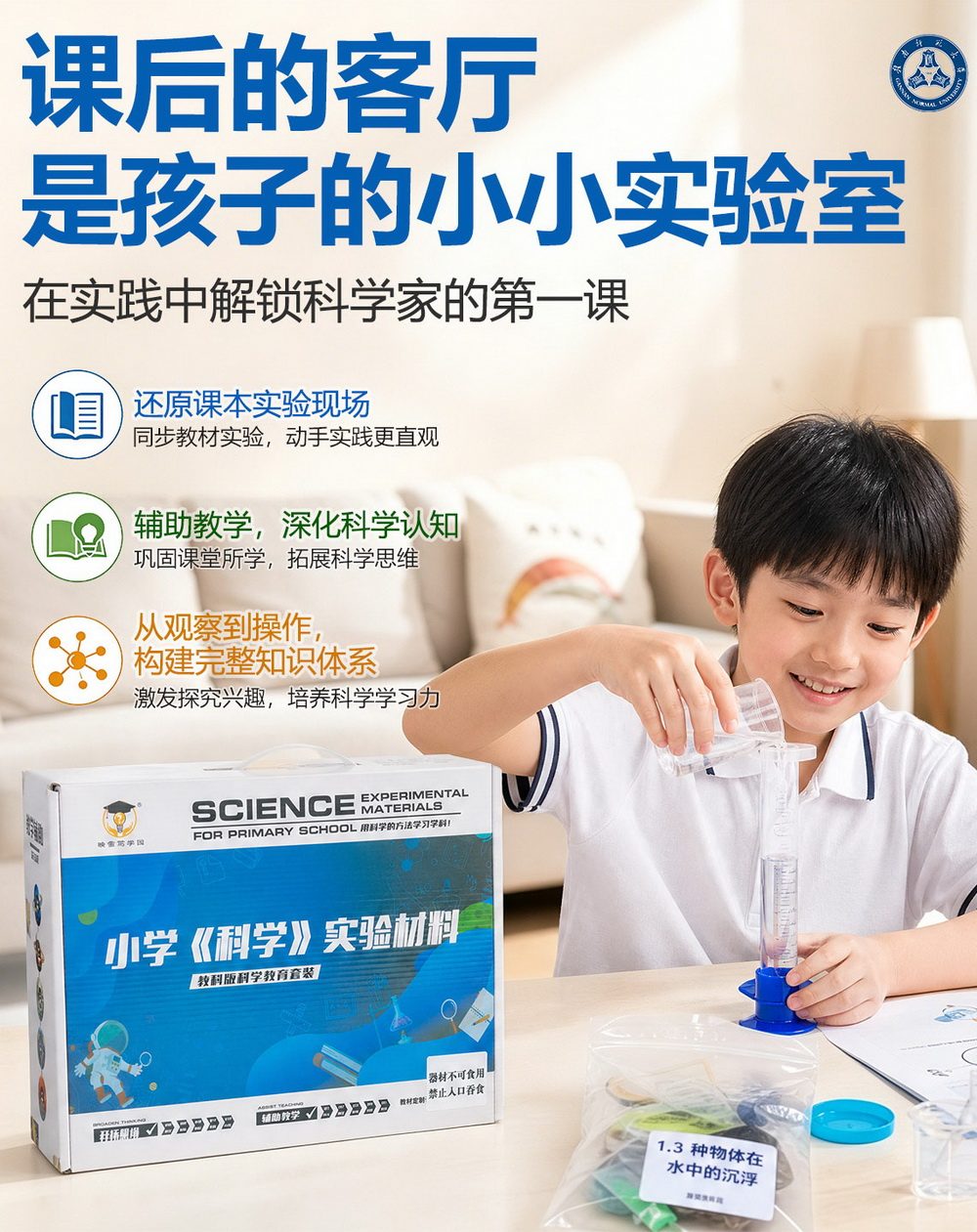
Experiment material packs synced lesson by lesson with the textbook: individual packs and class-12 sets, one bag per lesson, ready to use, covering all required inquiry activities for the whole year.
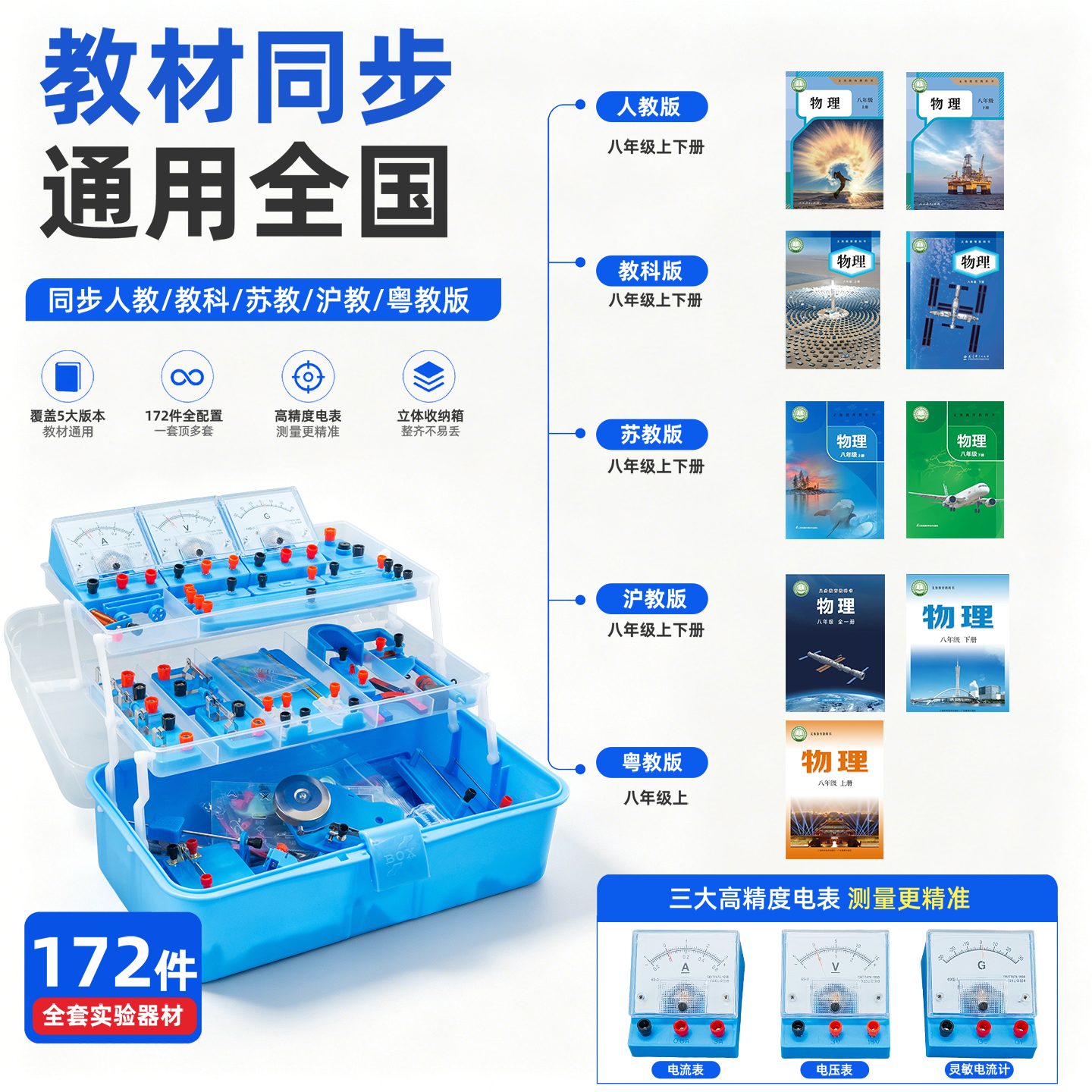
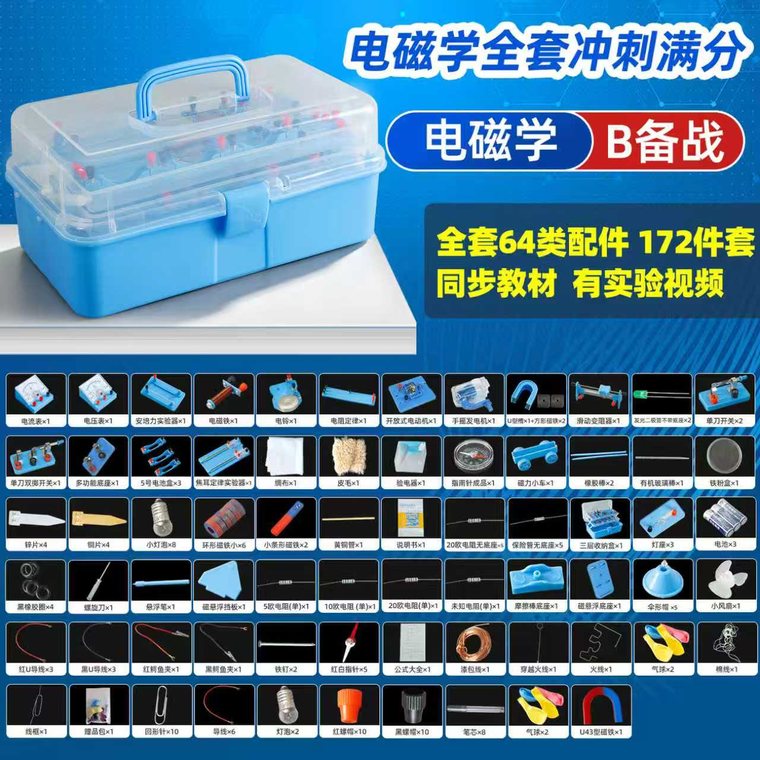
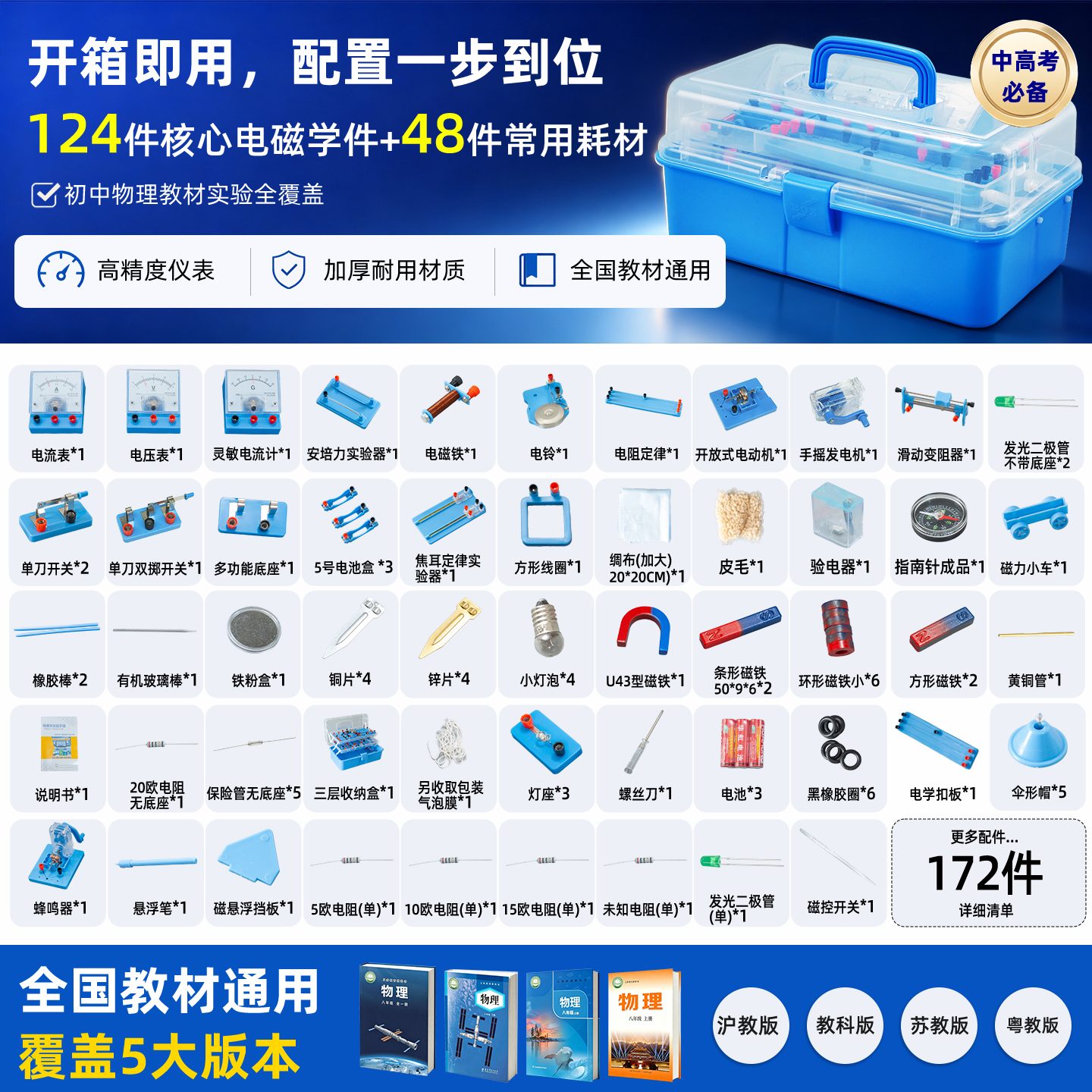
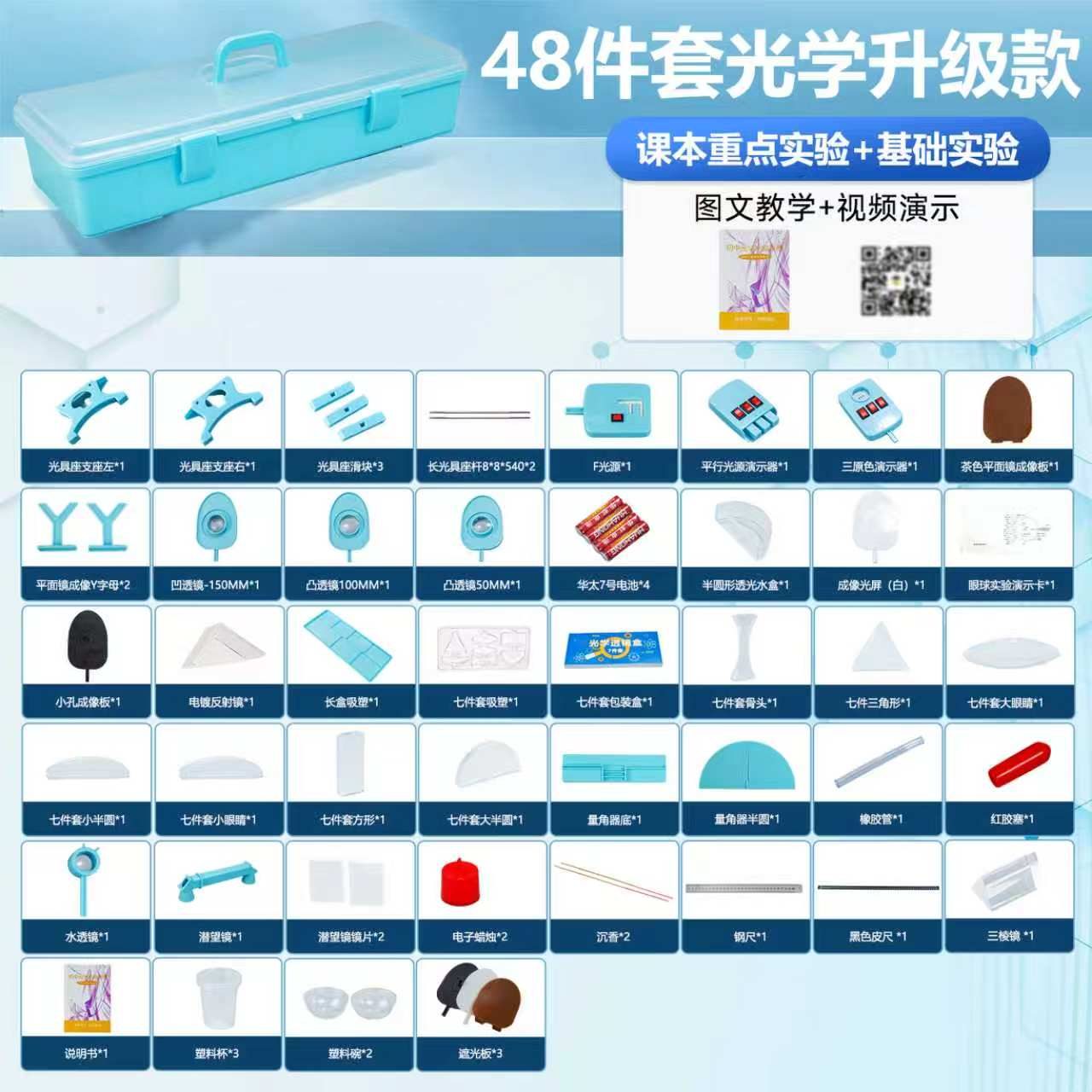
Mechanics, optics, electromagnetism and thermodynamics organized into cases; supports variable control, data capture and repeated testing — for daily teaching and Zhongkao lab review.
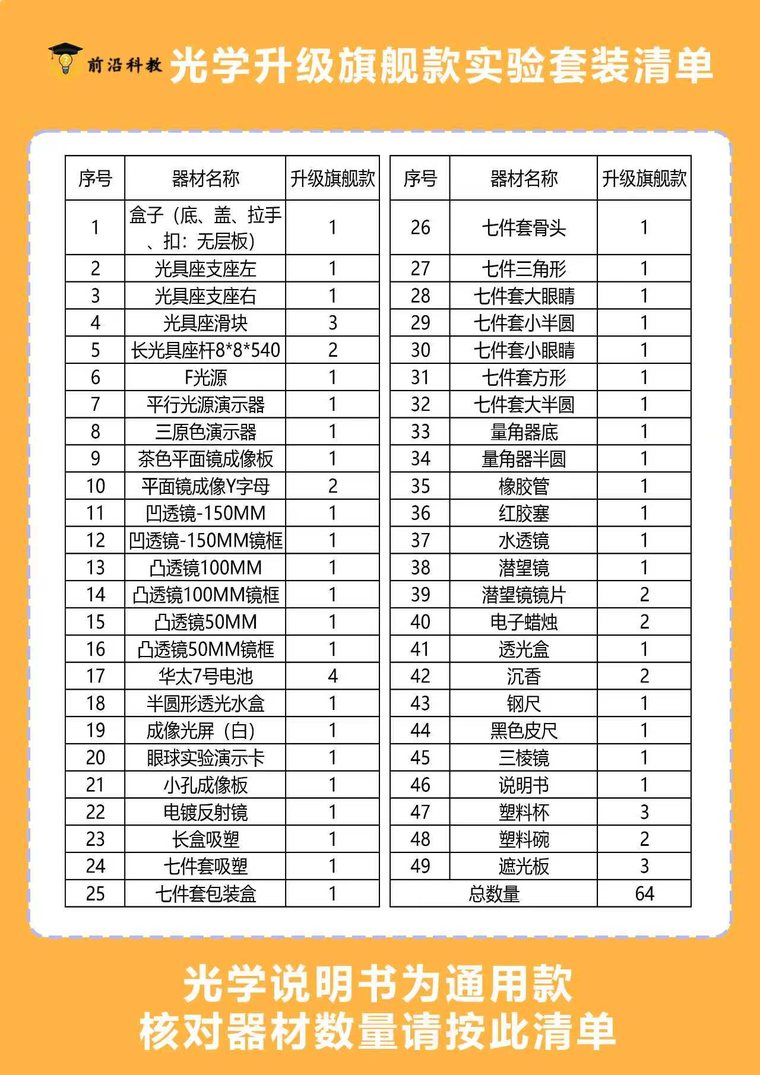
24 tasks refined per the Guide into 141 lessons of standards-based courses, with equipment and consumables per lesson, reused across tasks via experiment packs, theme cases and a shared equipment library.
Course resources are developed by the team at the School of Geography and Environment, Gannan Normal University, covering every chapter and section of the textbook, providing teachers full support for preparation, teaching and assessment.
Experiment demos and explainer videos covering the whole science curriculum, ready for class warm-up and teacher preparation.
Complete slide sets structured as focus–explore–discuss–extend, mapped one-to-one to textbook chapters.
Complete plans with objectives (science concepts / thinking / inquiry practice / attitude & responsibility), key points, process and reflection.
Task-linked student sheets and rubrics; the inquiry process becomes evidence, directly feeding the competency portfolio.
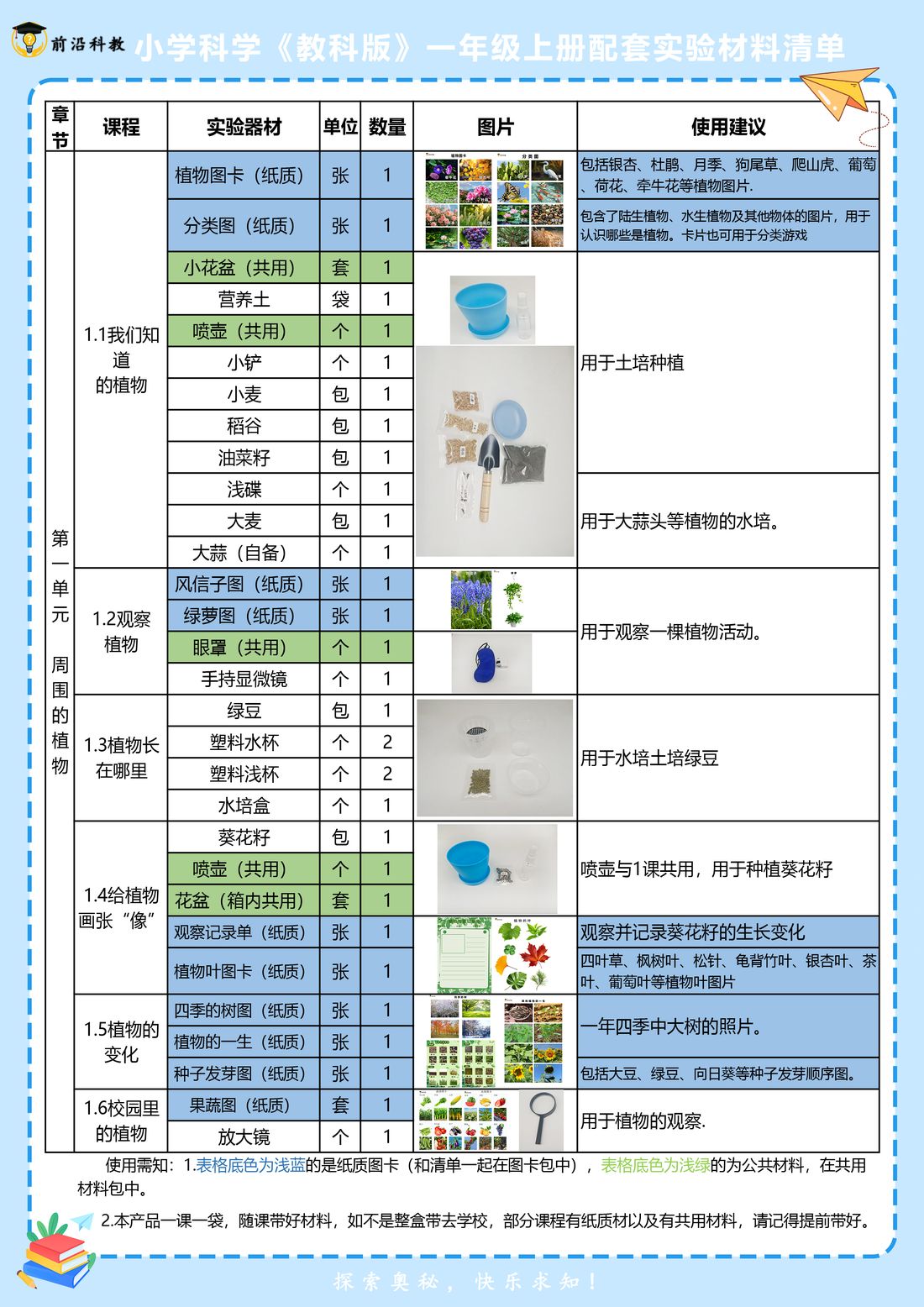
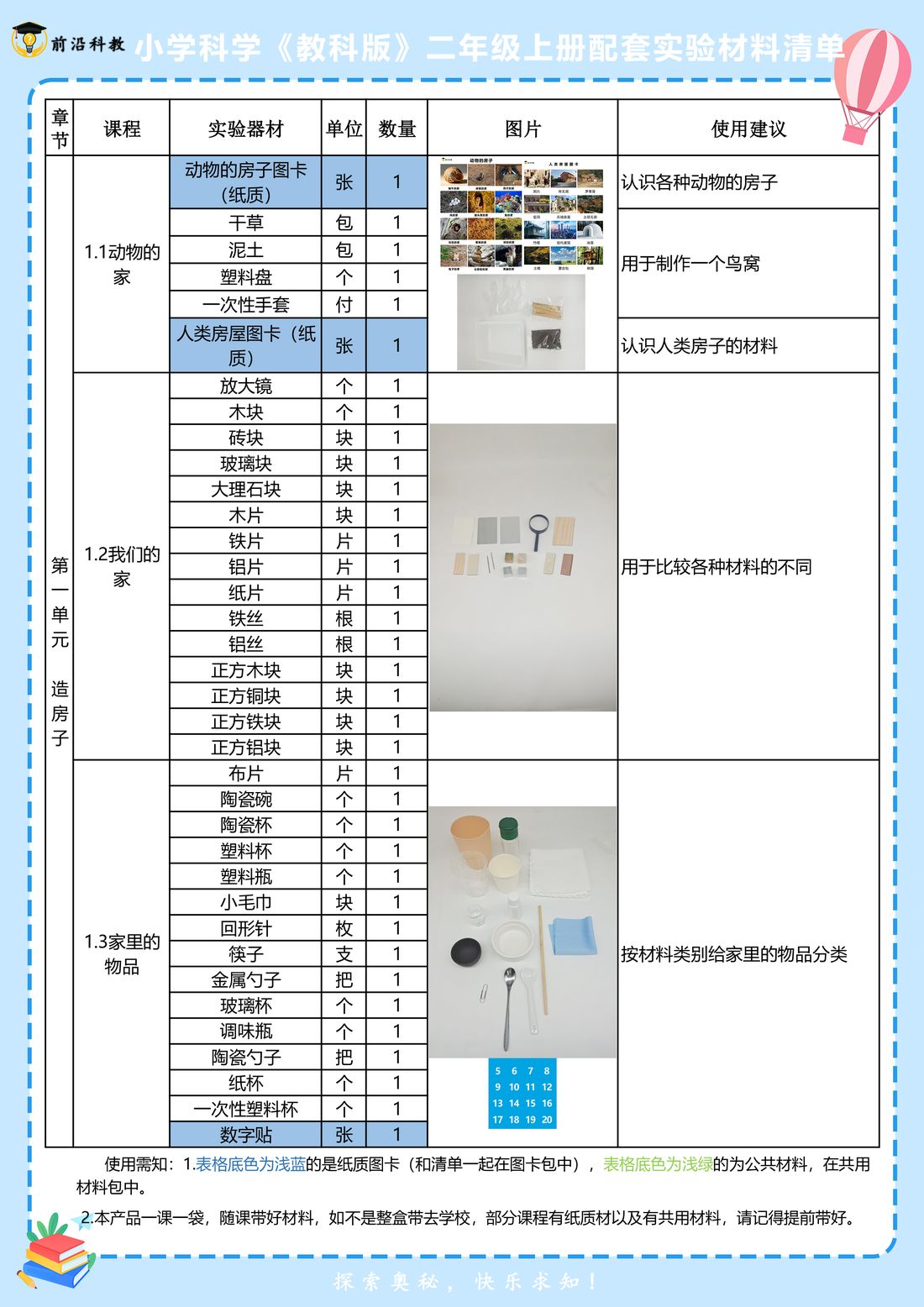
From chapters and lessons down to each item's unit, quantity, image and usage note — courses and experiments truly match lesson by lesson; this is the prerequisite for "learning by doing" to actually launch.
Using 教科版 Science as an example: each grade, unit and lesson is supported with micro-lesson videos, PPTs, lesson plans and student materials — not "reference material", but finished lessons with teaching aids prepared. Below are real Grade 1–2 samples, playable and pageable.
Each lesson includes: micro-lesson video + PPT + lesson plan + student materials
Micro-lesson 1 min 10 sec · 1080P animated explanation
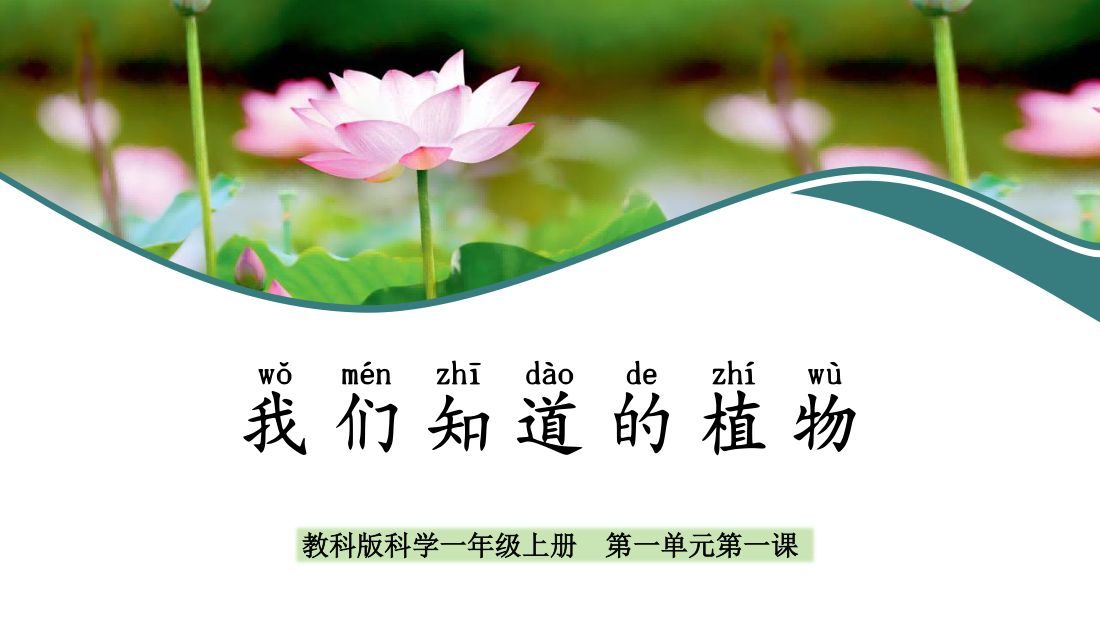
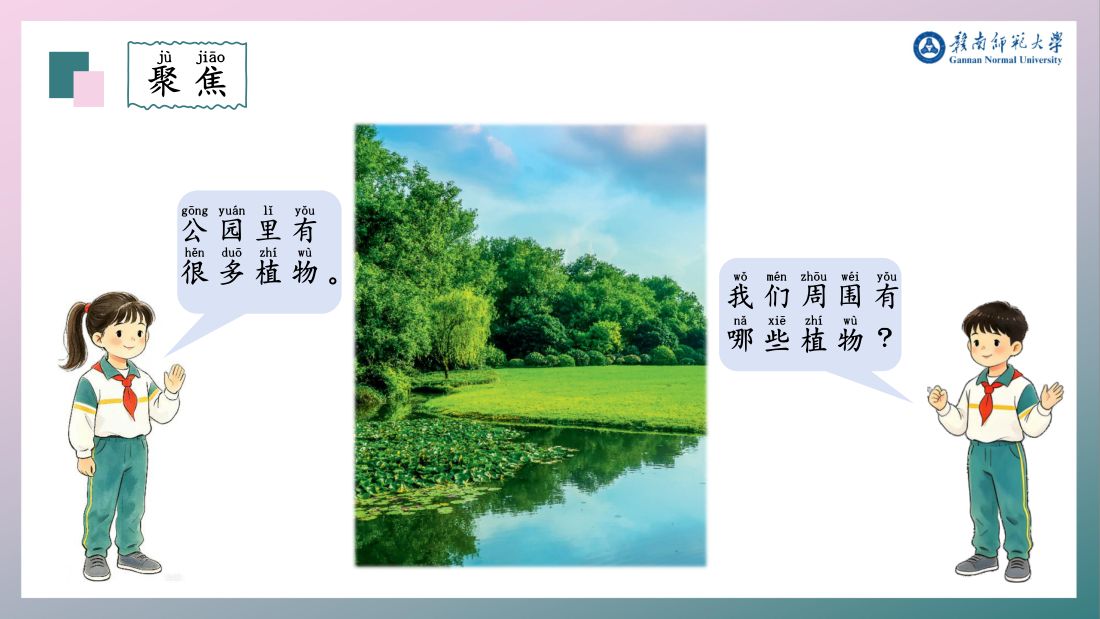
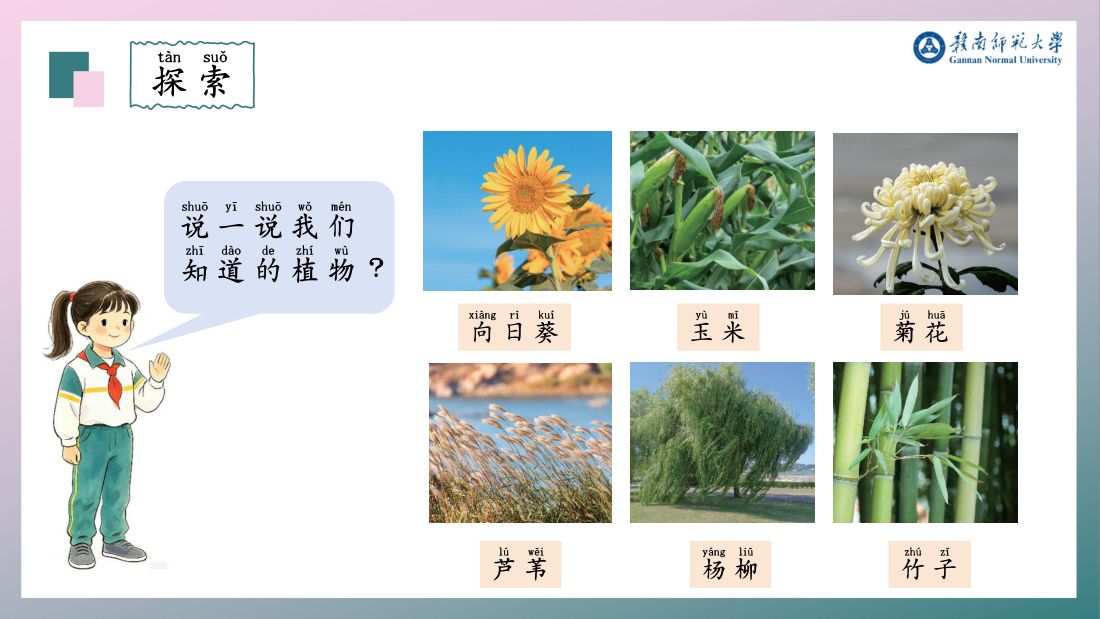
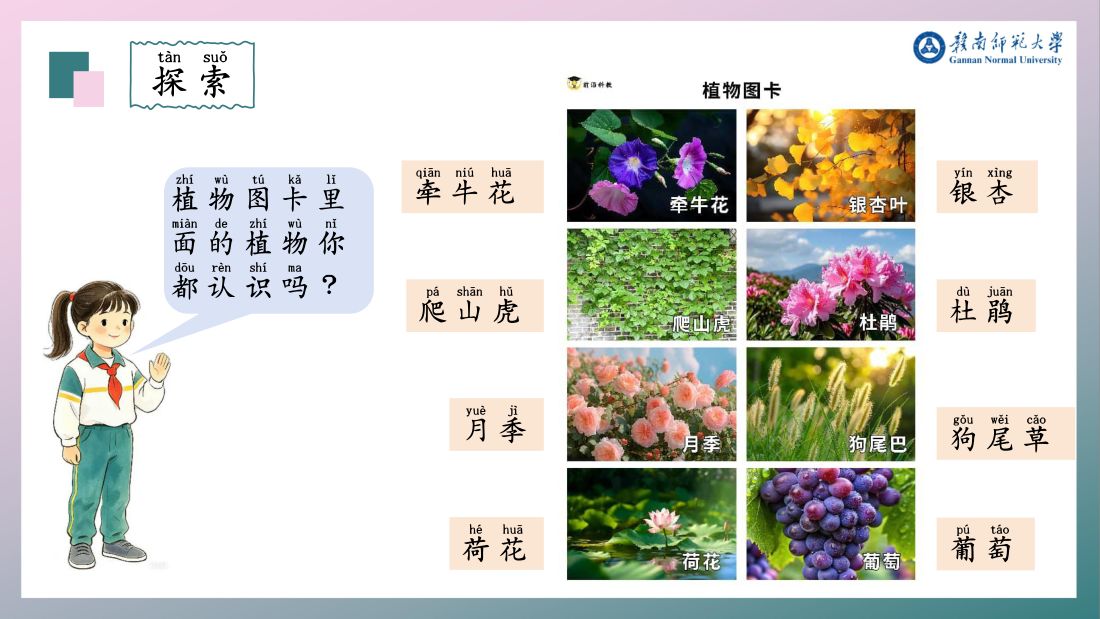
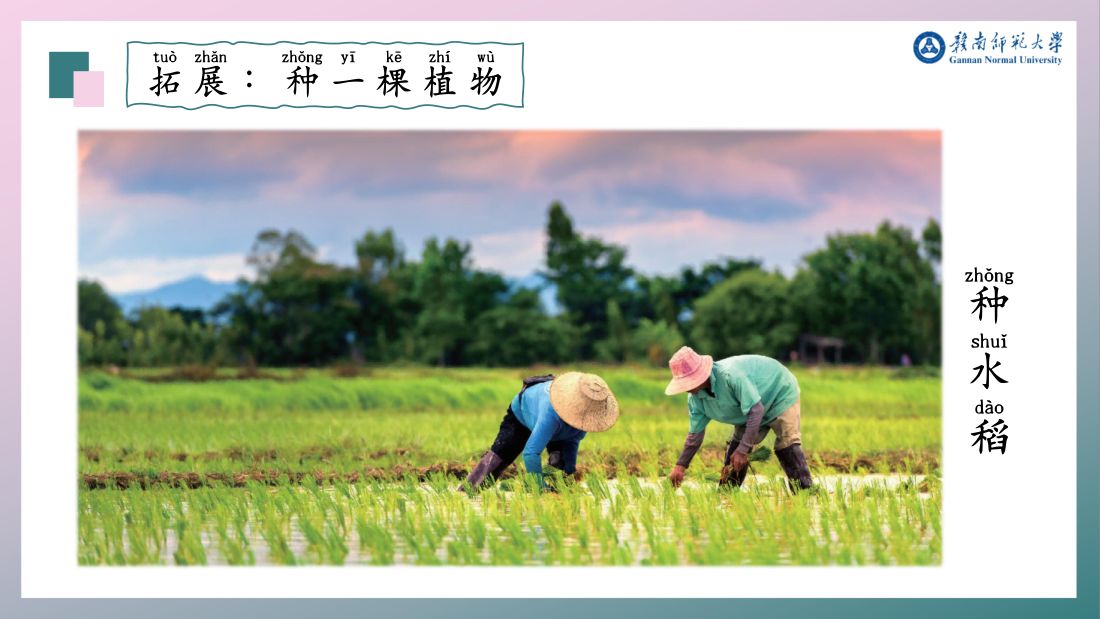
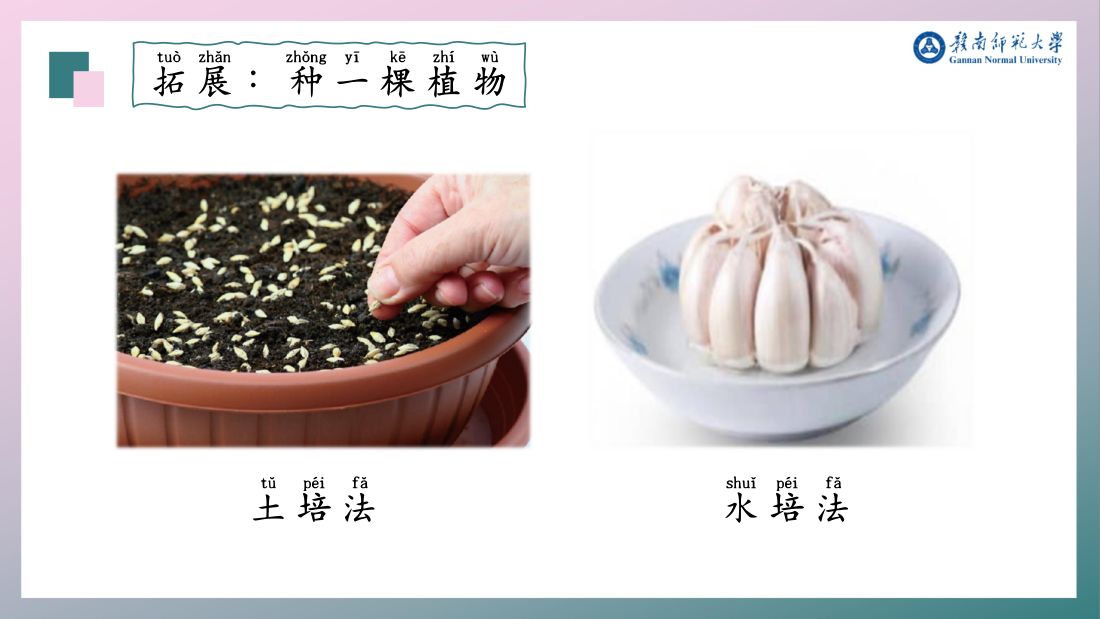
6-page PPT · complete focus–explore–extend inquiry chain
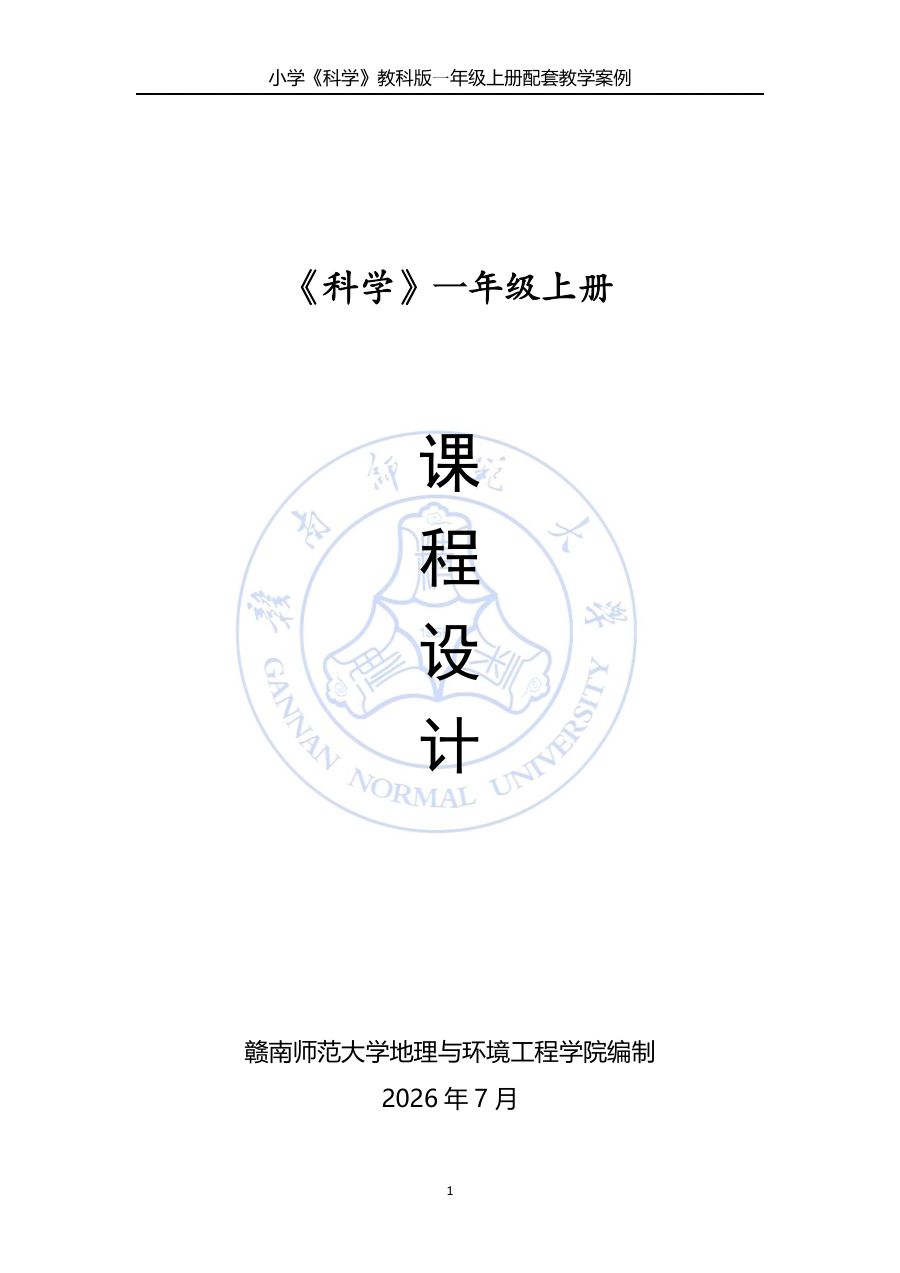
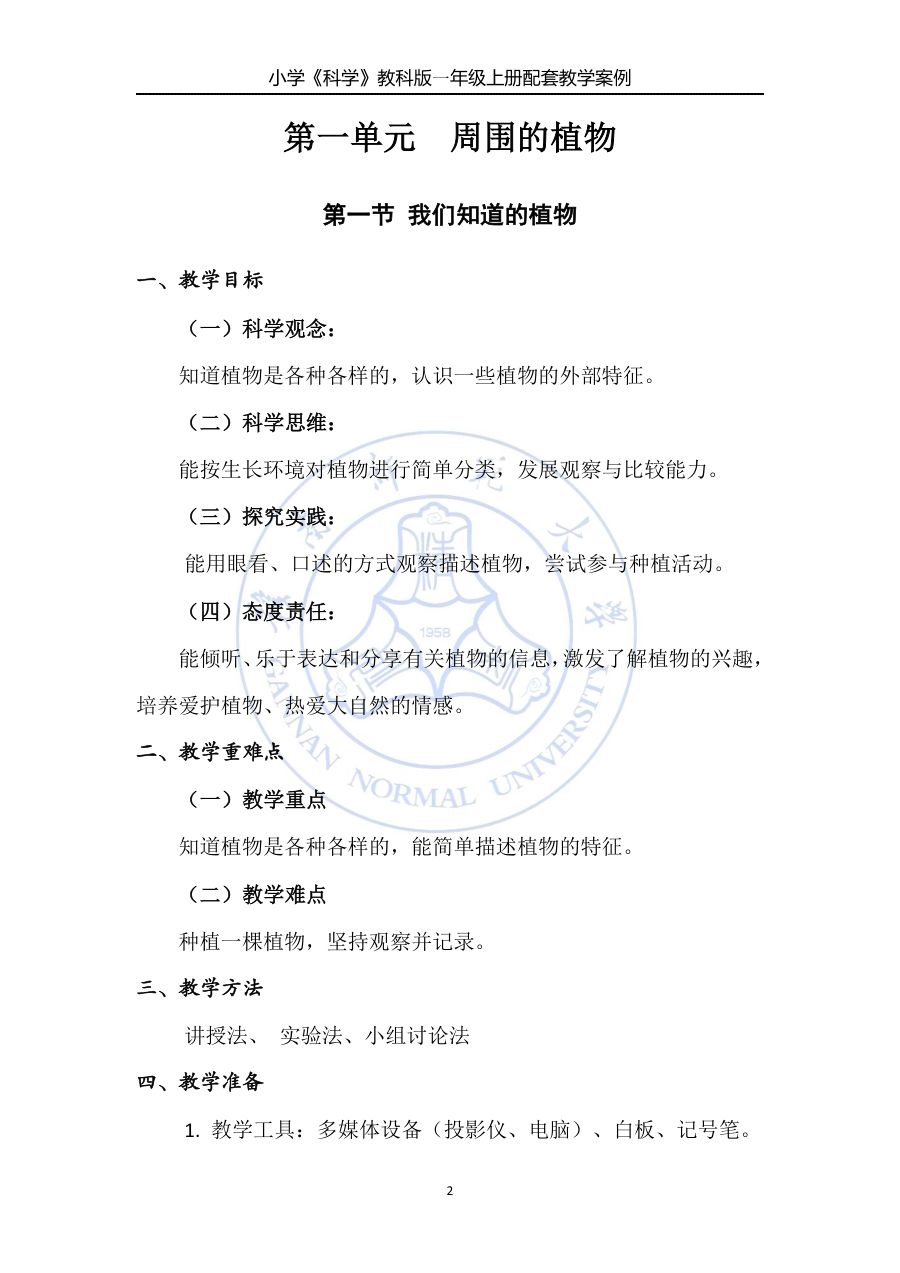
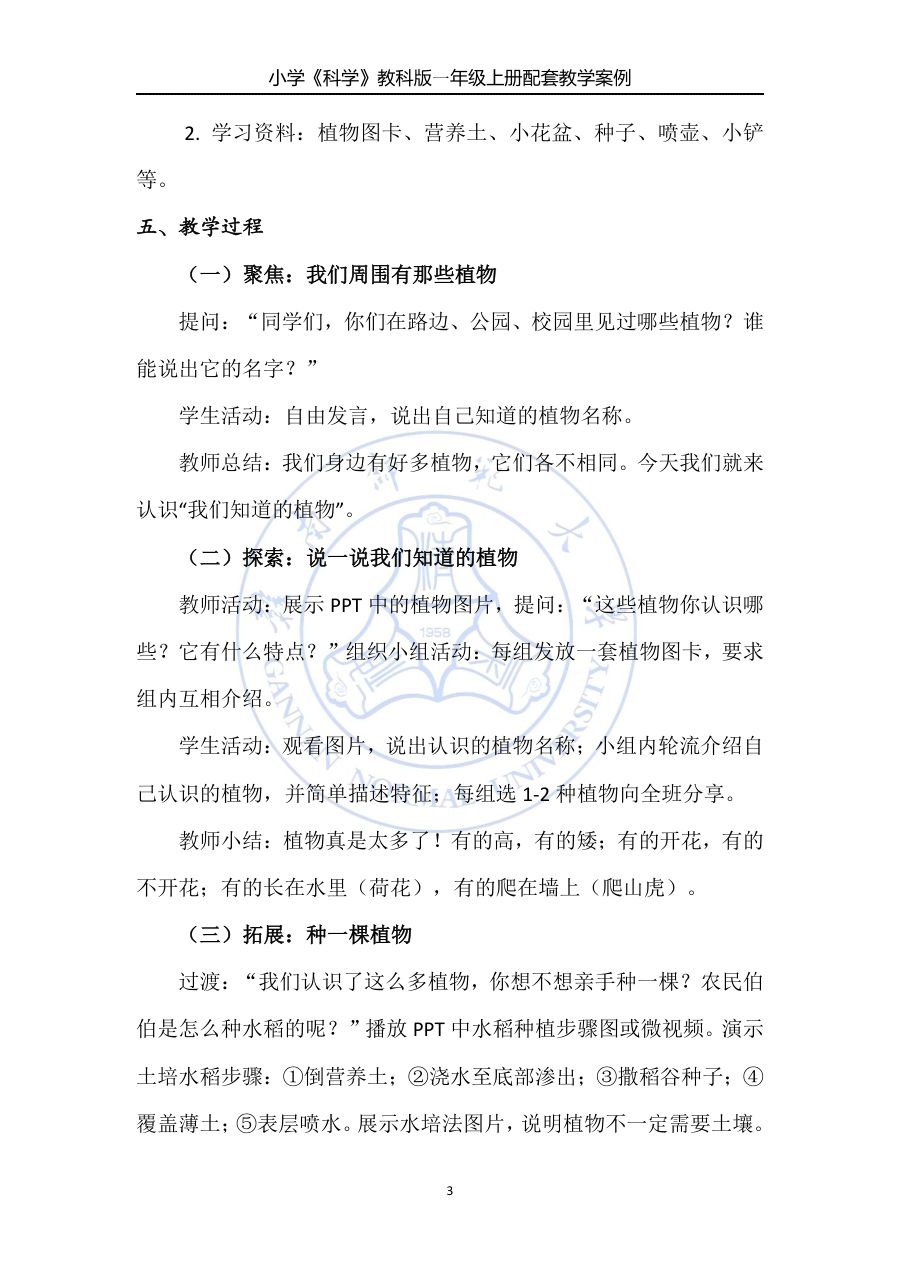
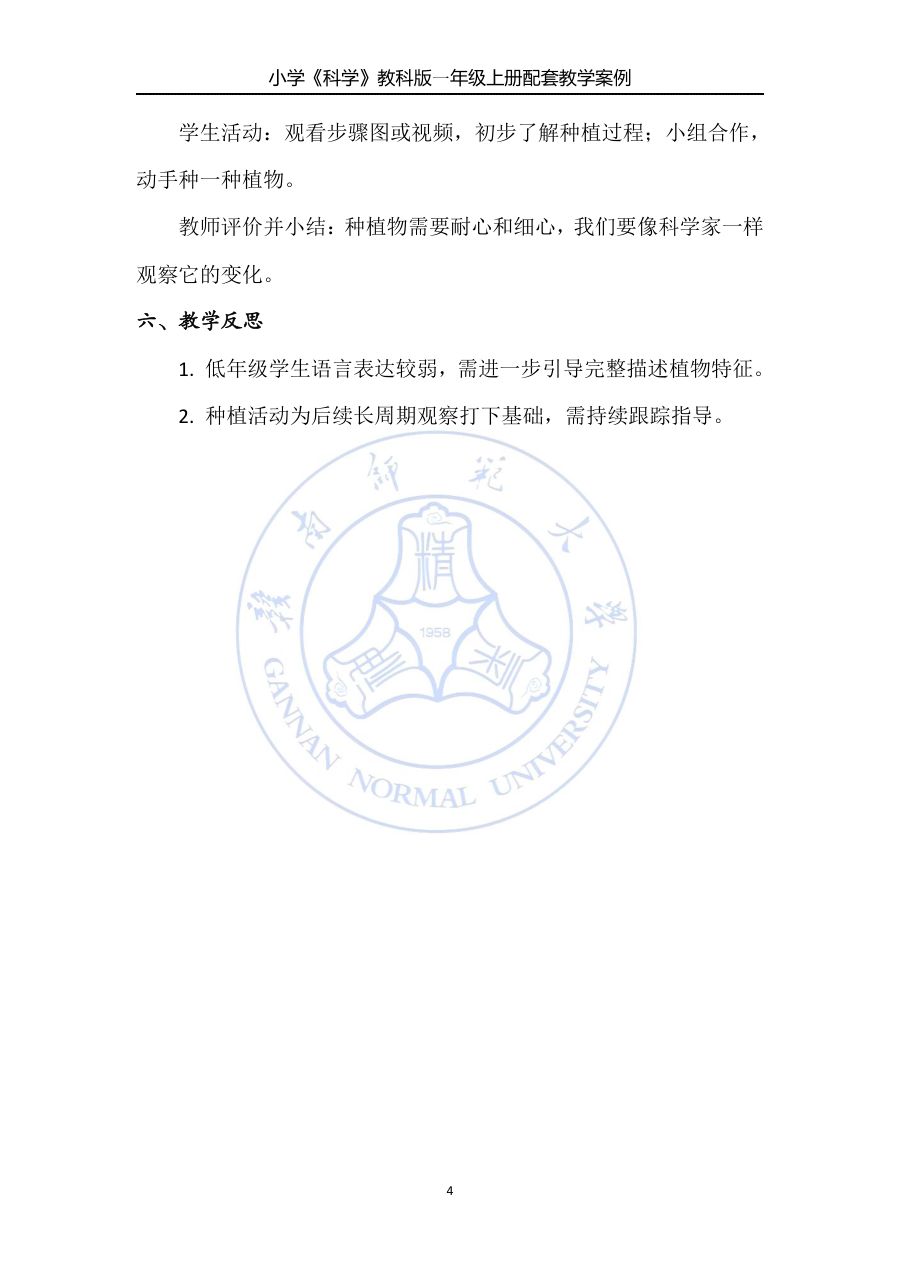
4-page lesson plan · compiled by Gannan Normal University (July 2026)
The list itemizes equipment name, quantity and image by unit–lesson–section, so teachers can start class with the bag, no self-preparation needed.
Each lesson includes: micro-lesson video + PPT + lesson plan + student record sheet
Micro-lesson 1 min 17 sec · live-action demo (building a swallow nest with clay)
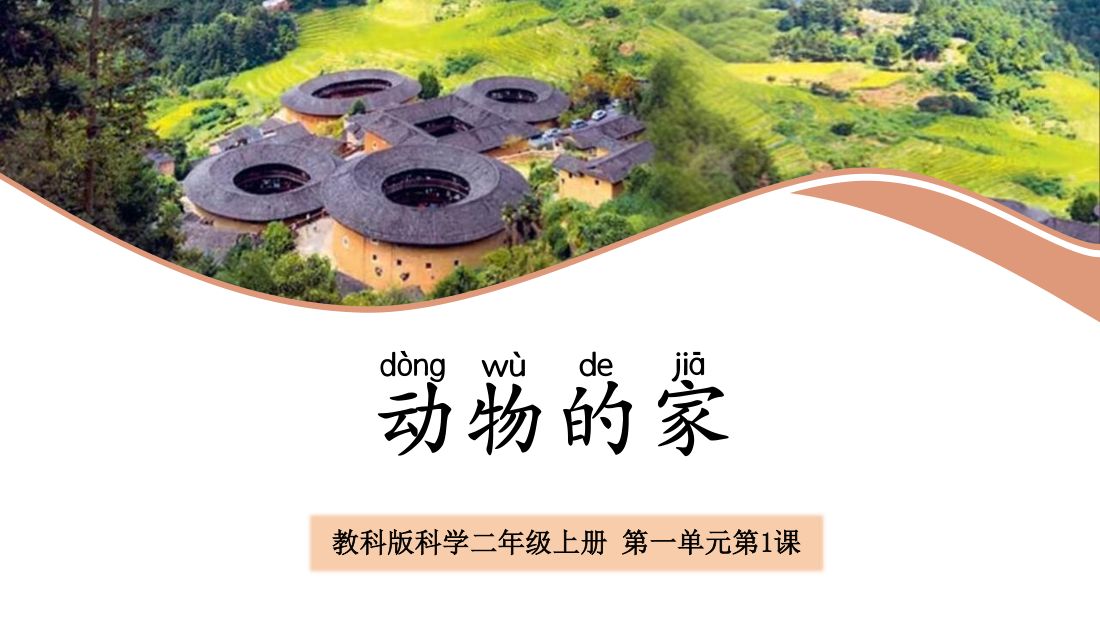
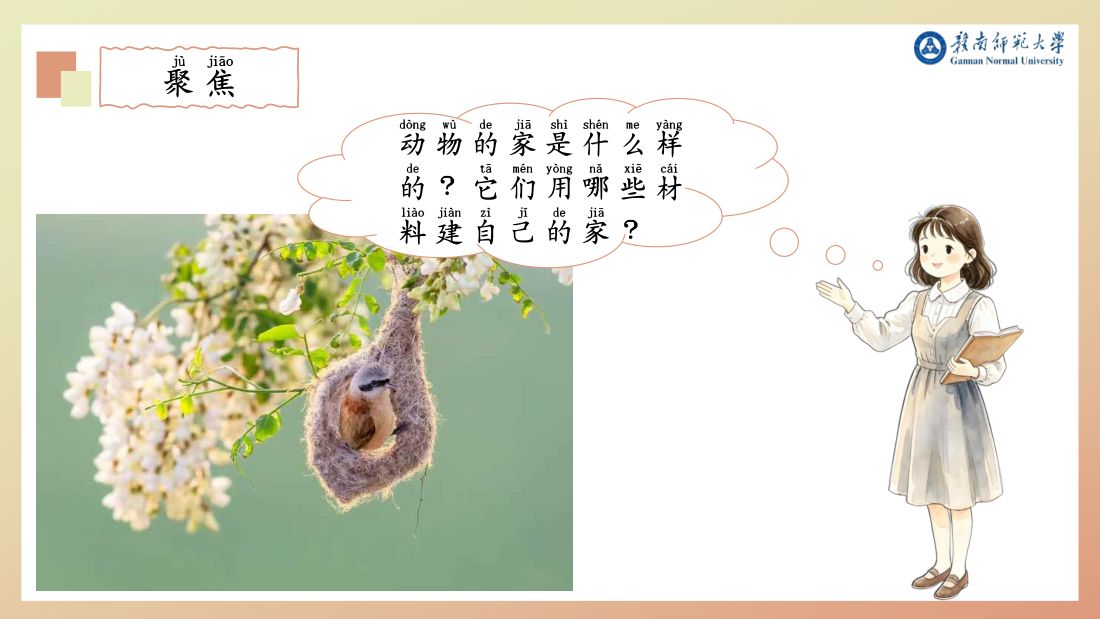
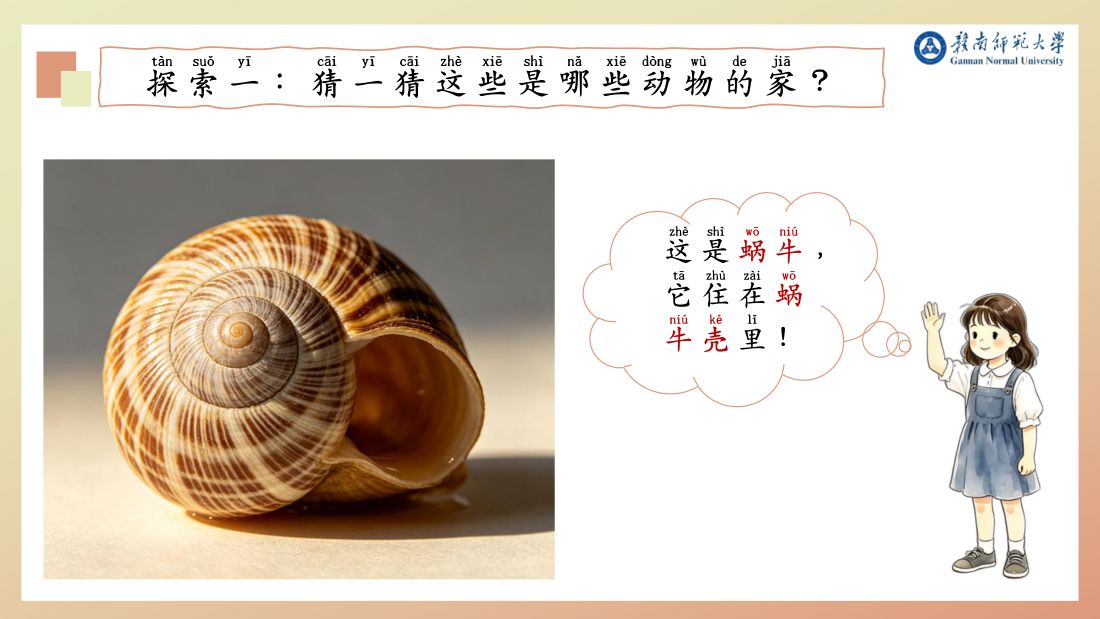
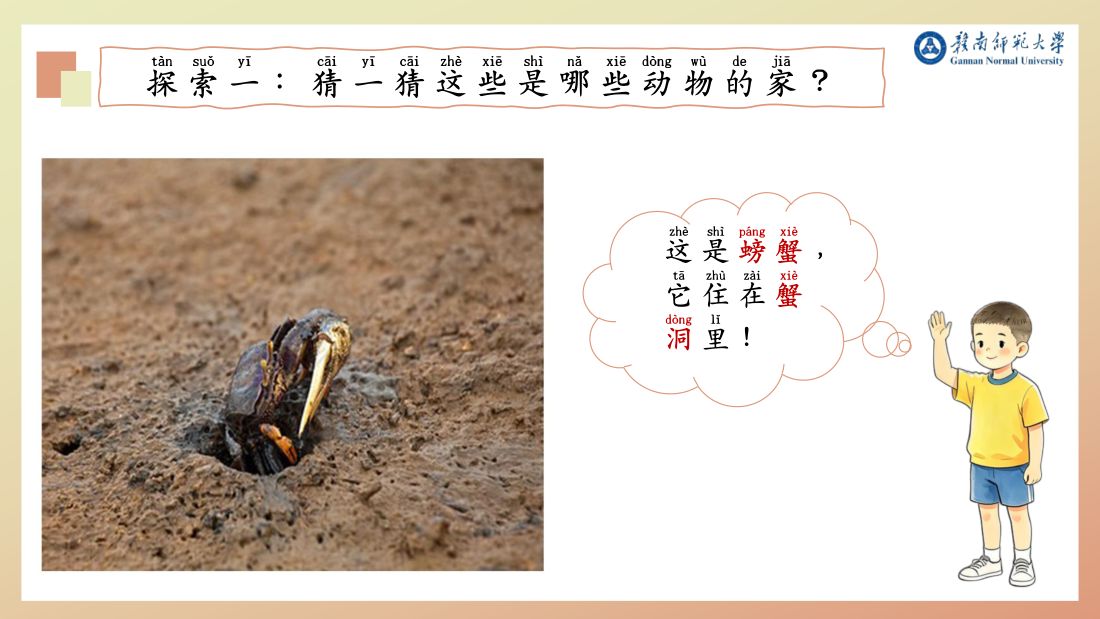
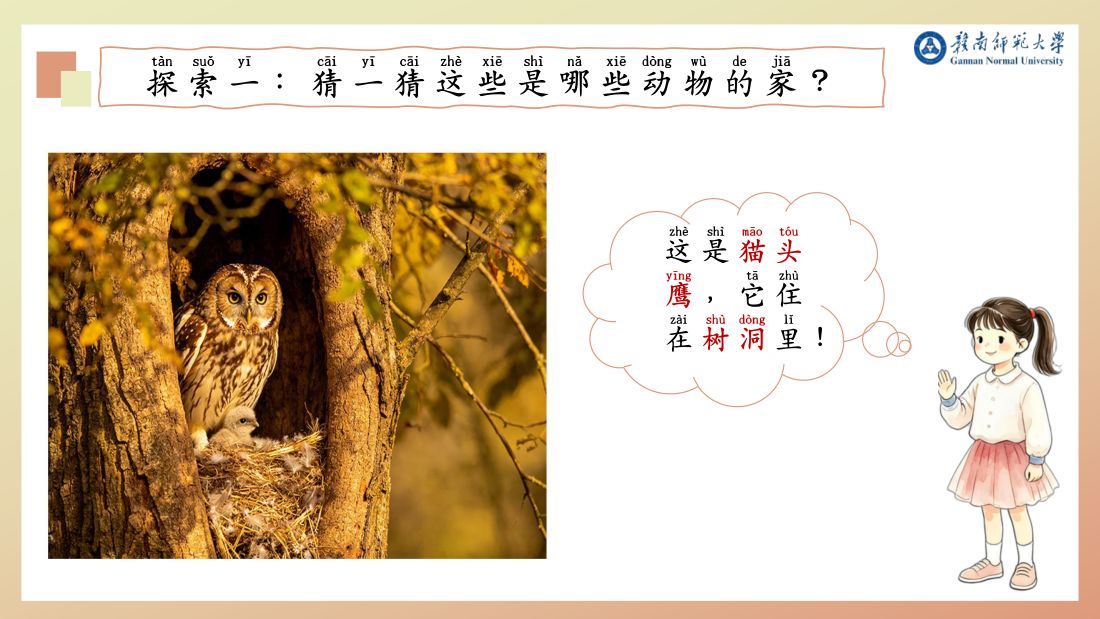
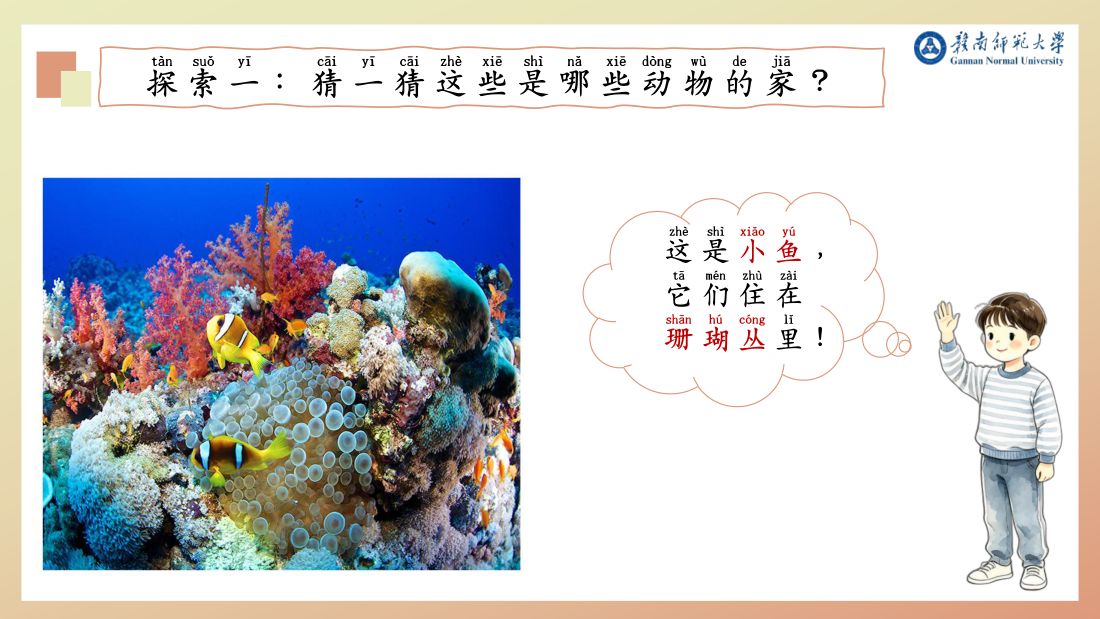
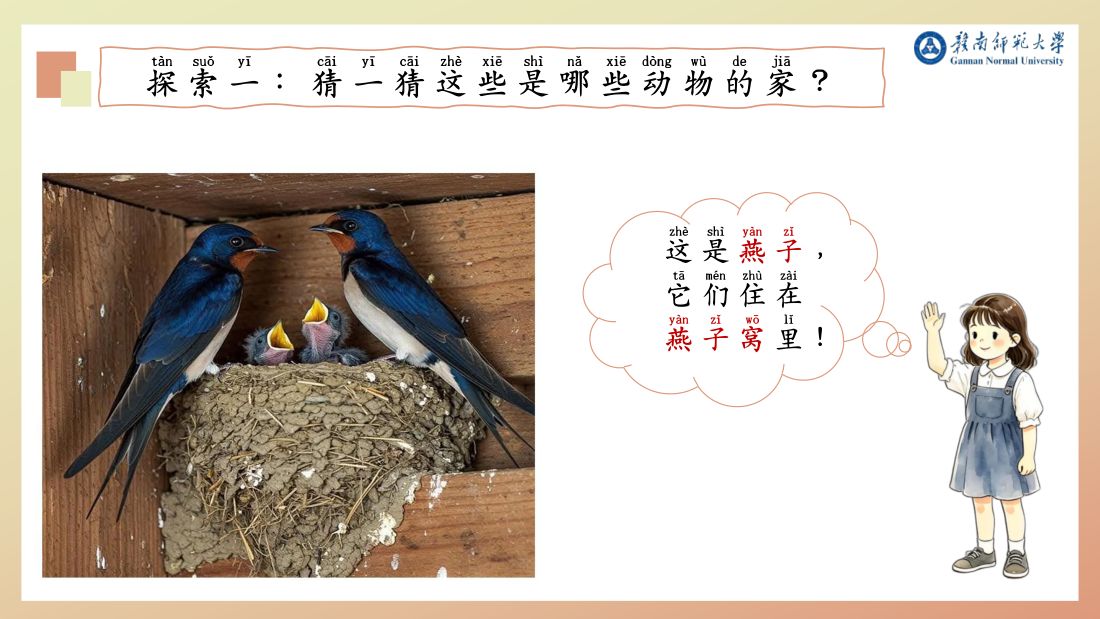
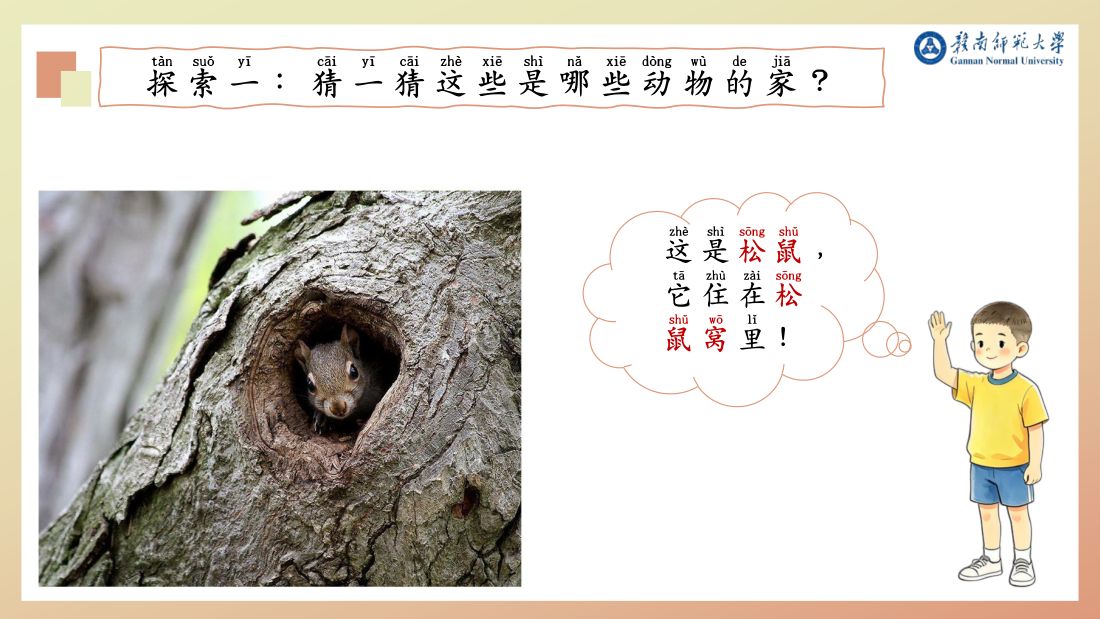
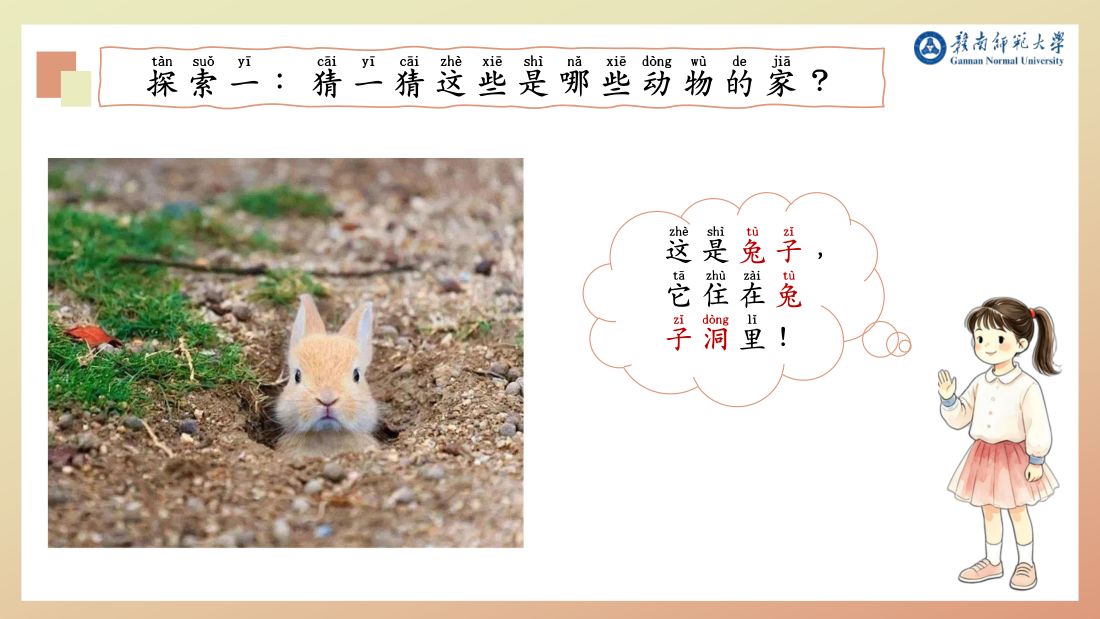
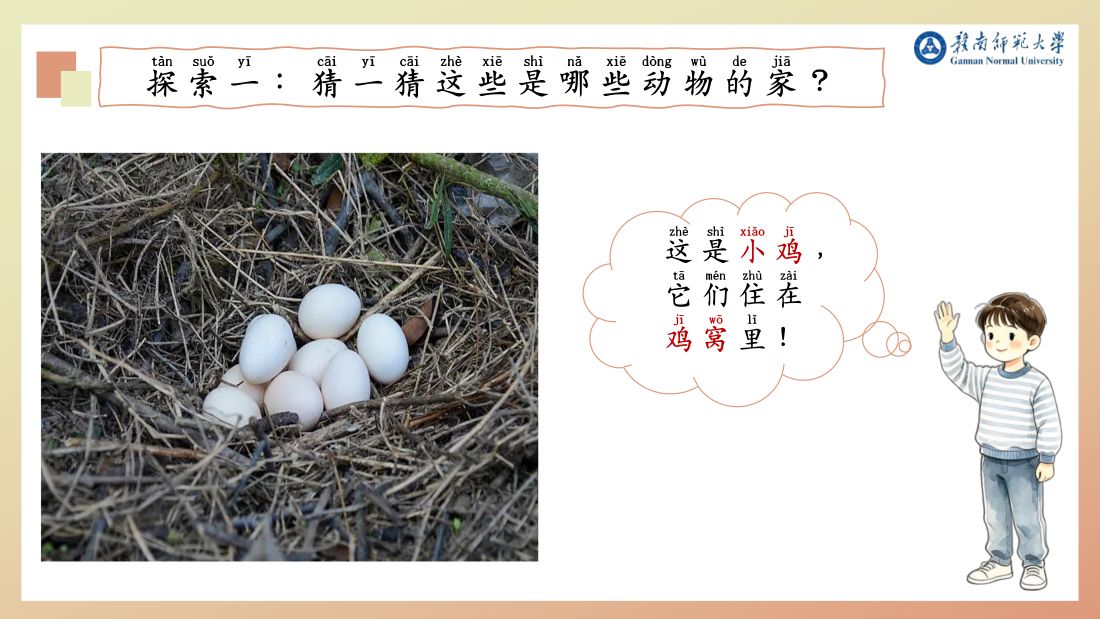
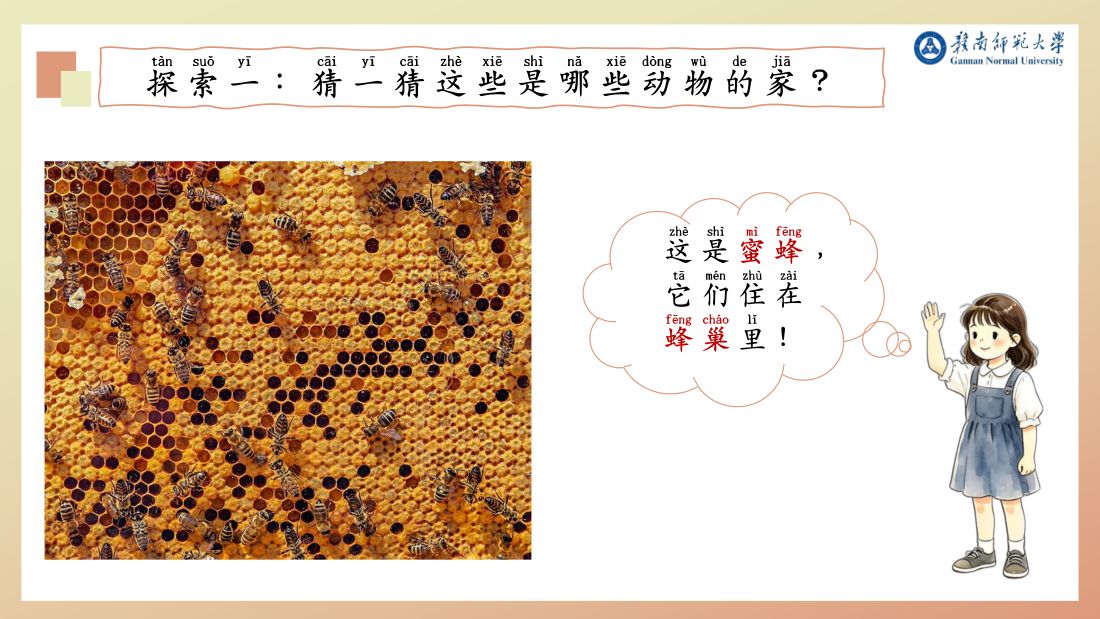
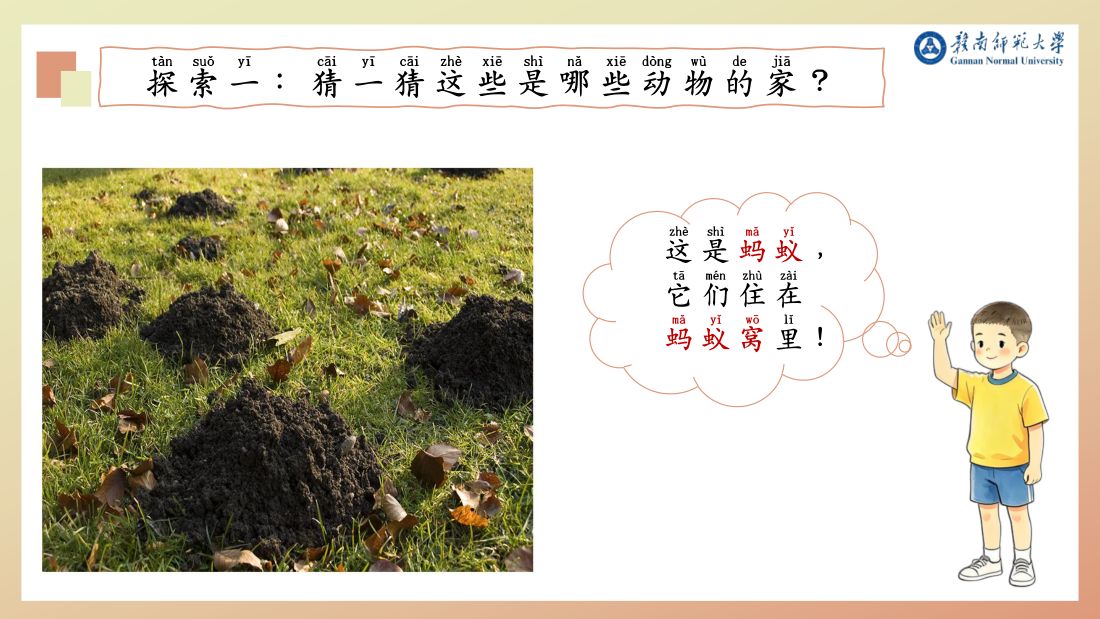
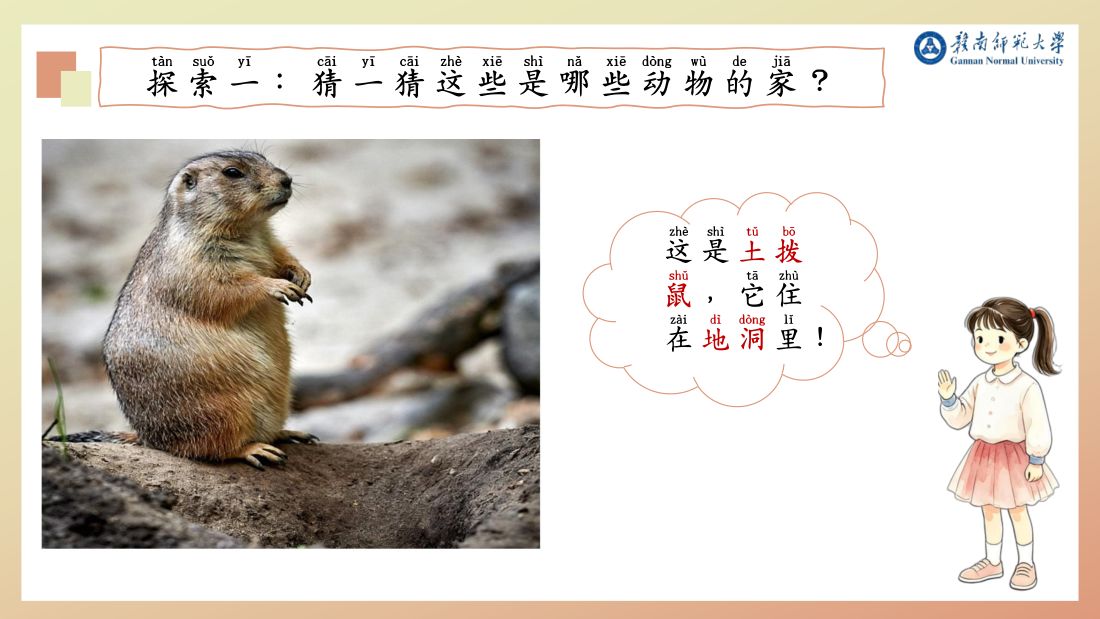
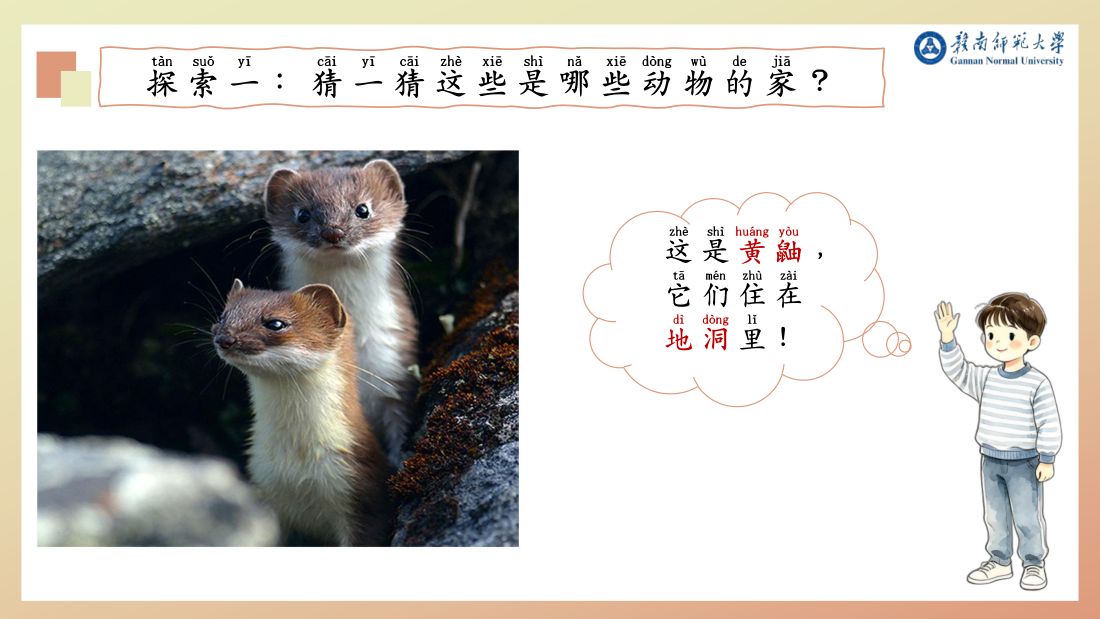
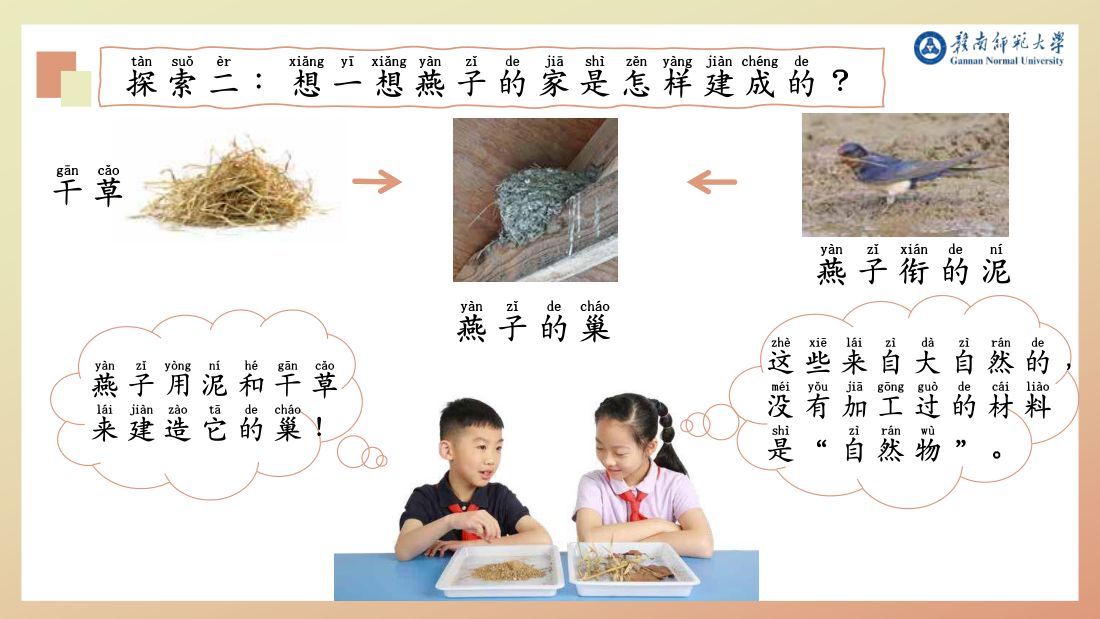
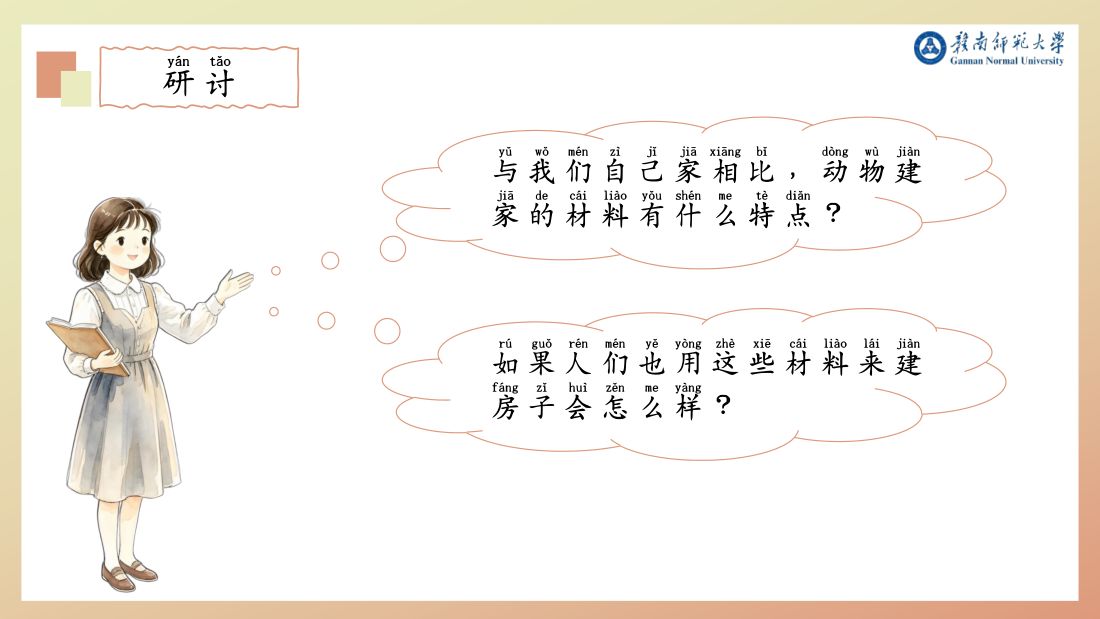
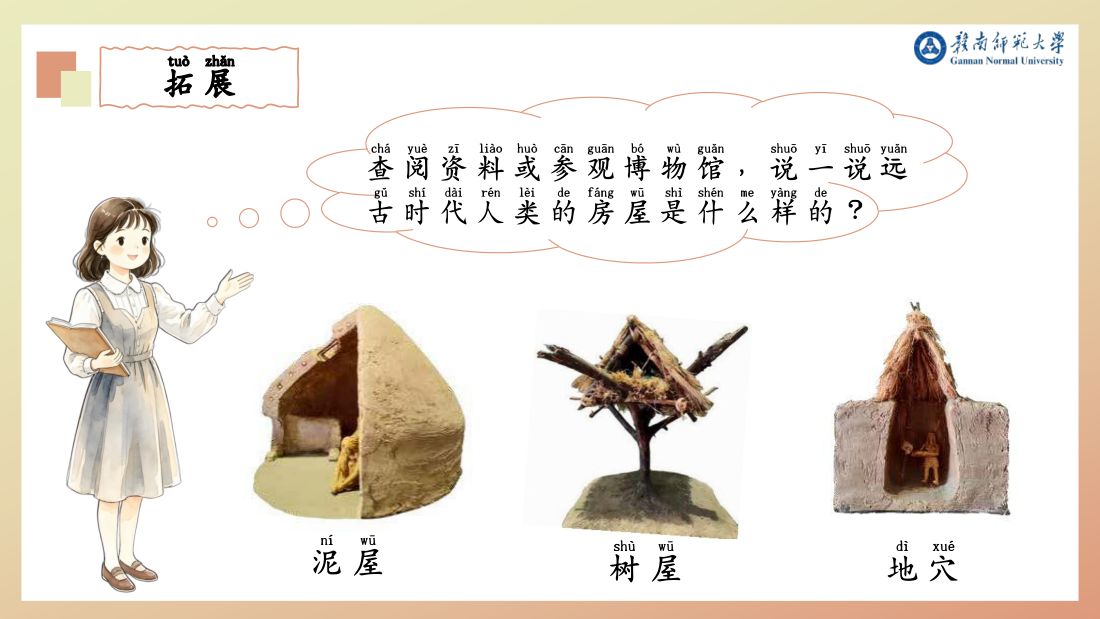
17-page PPT · pinyin annotations for lower grades · riddle-style interaction
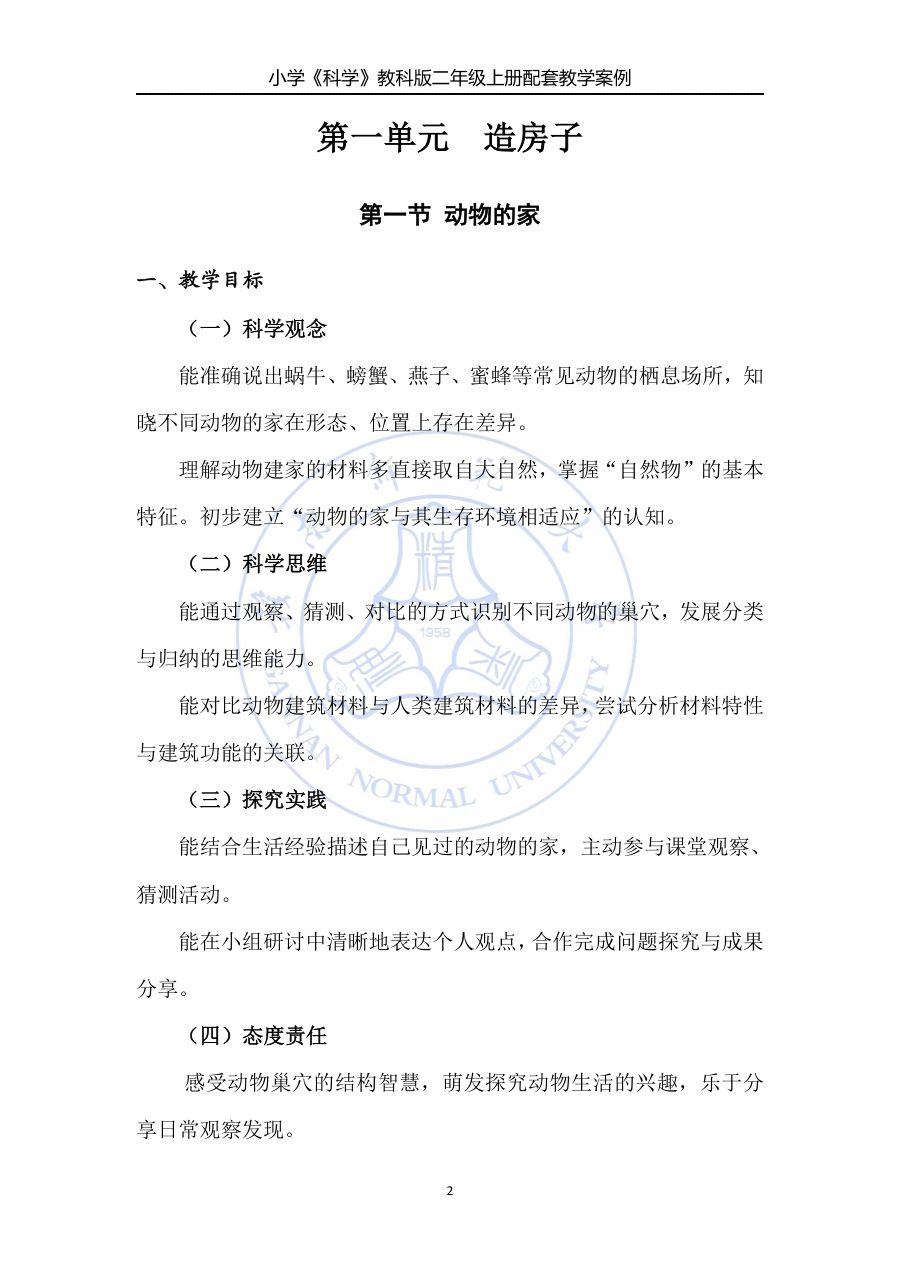
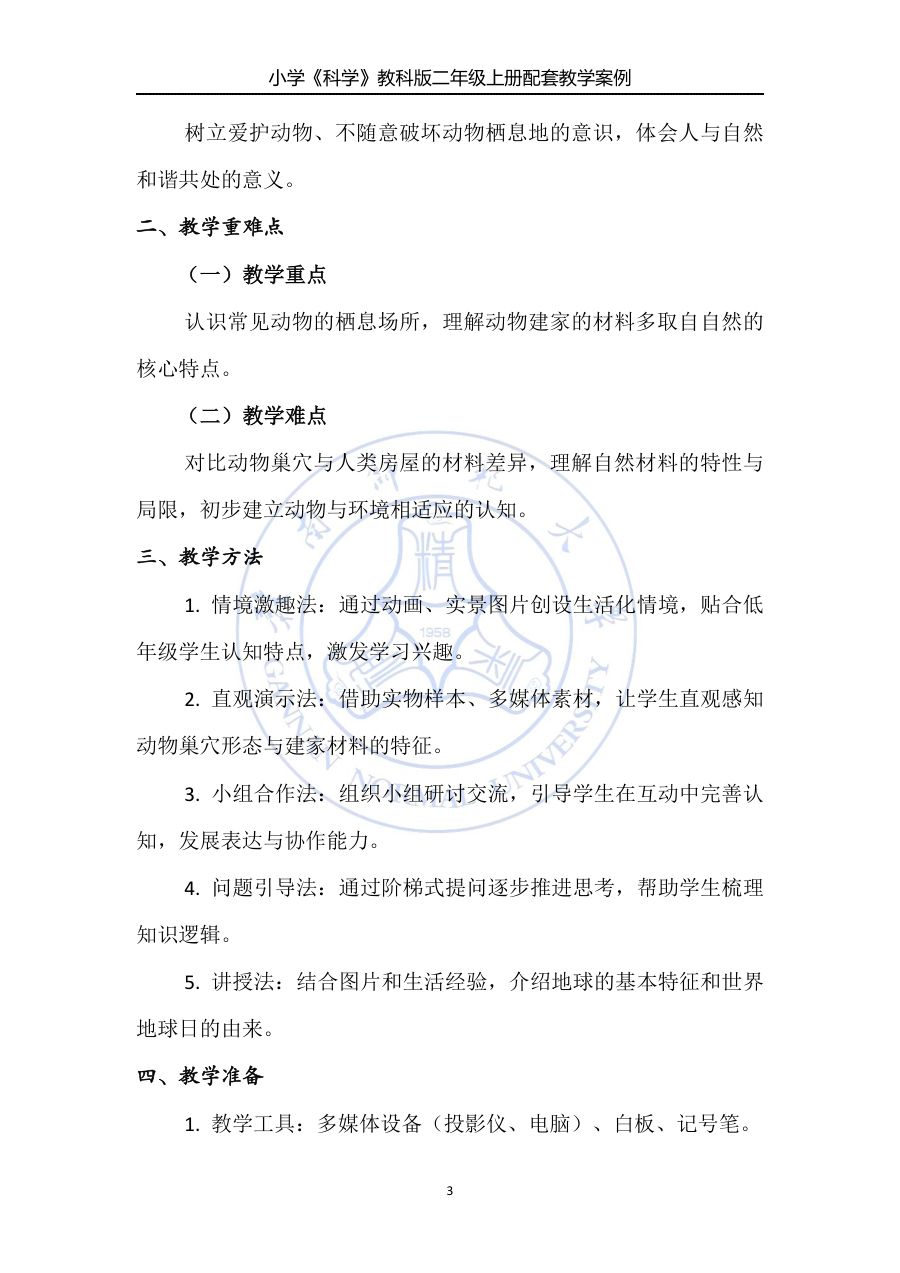
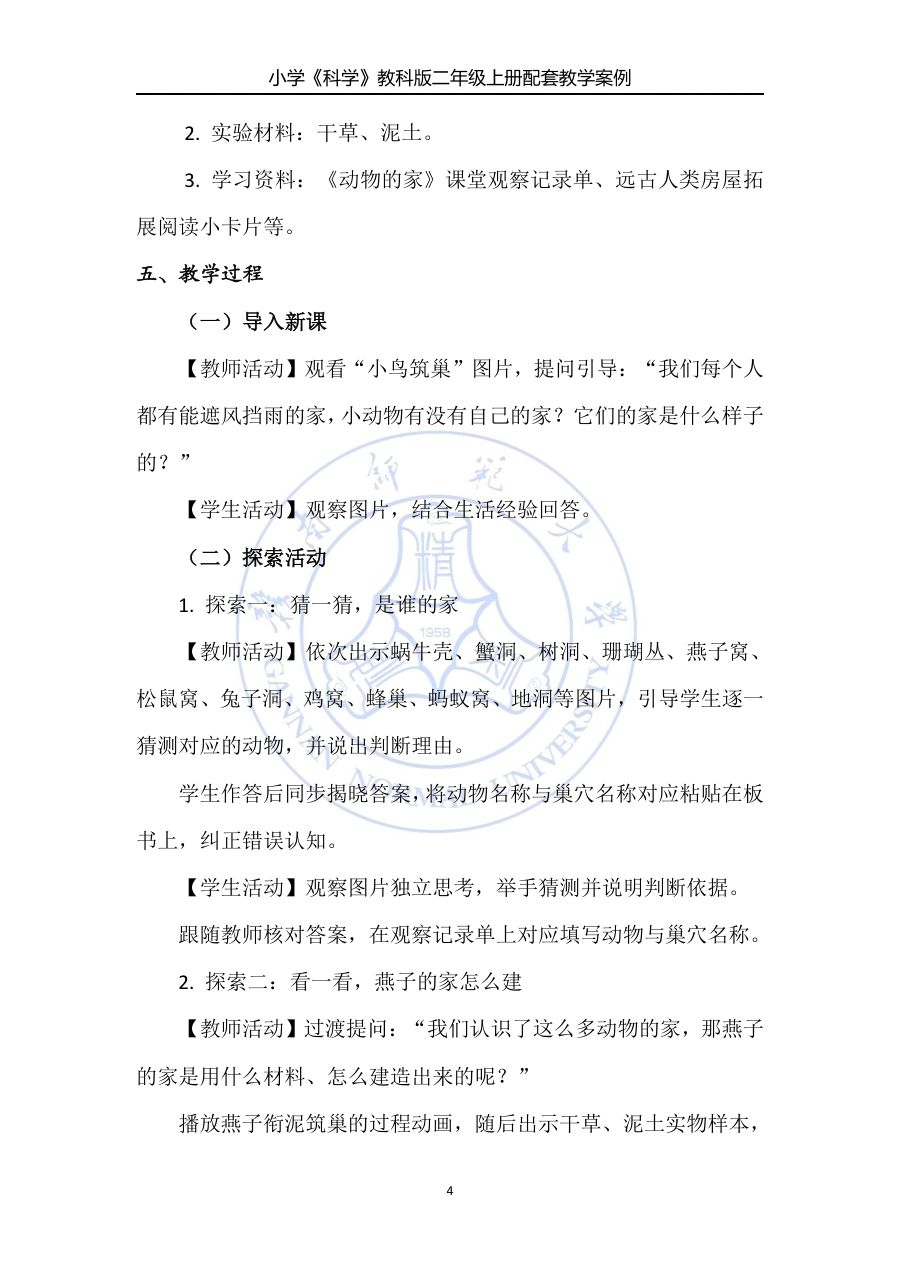
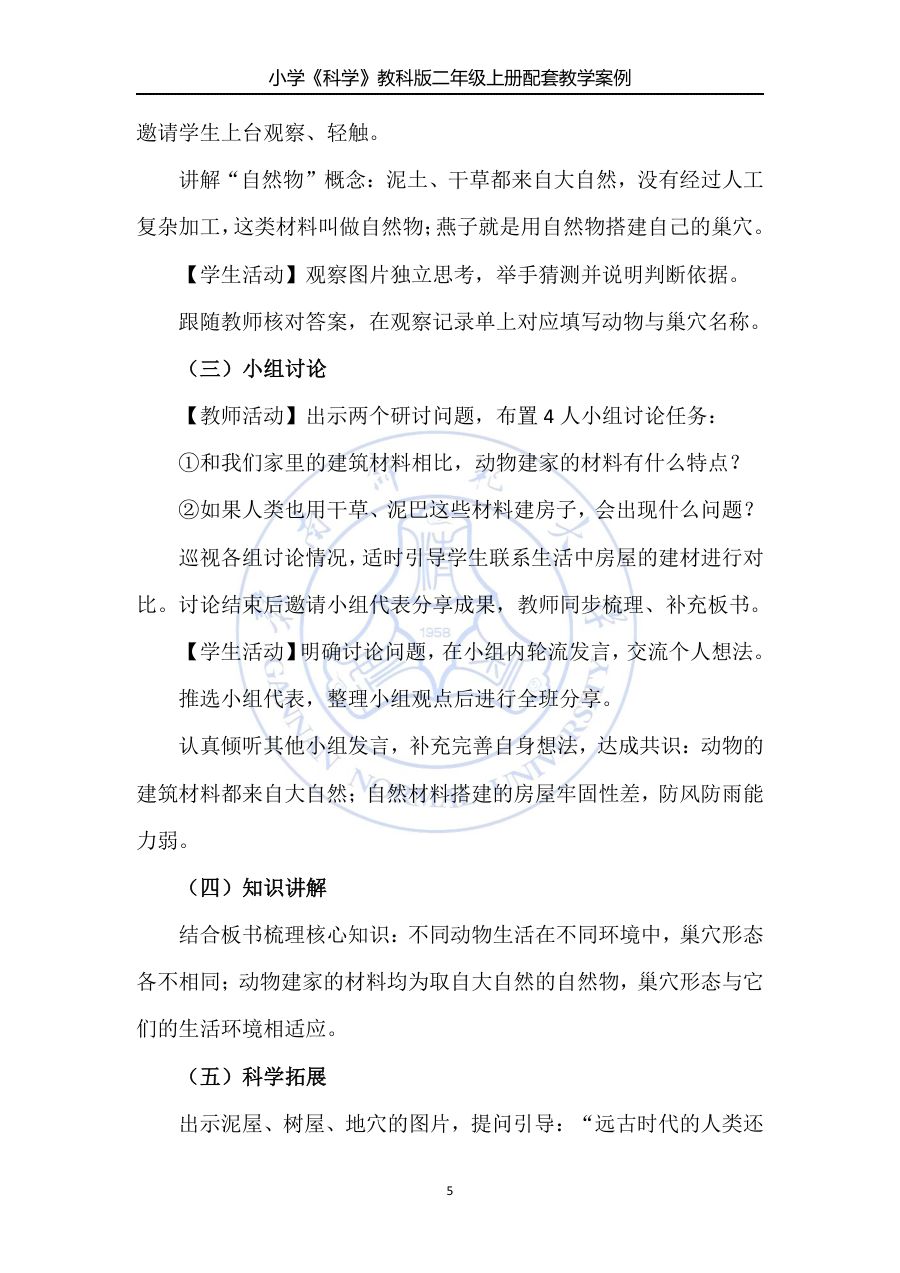
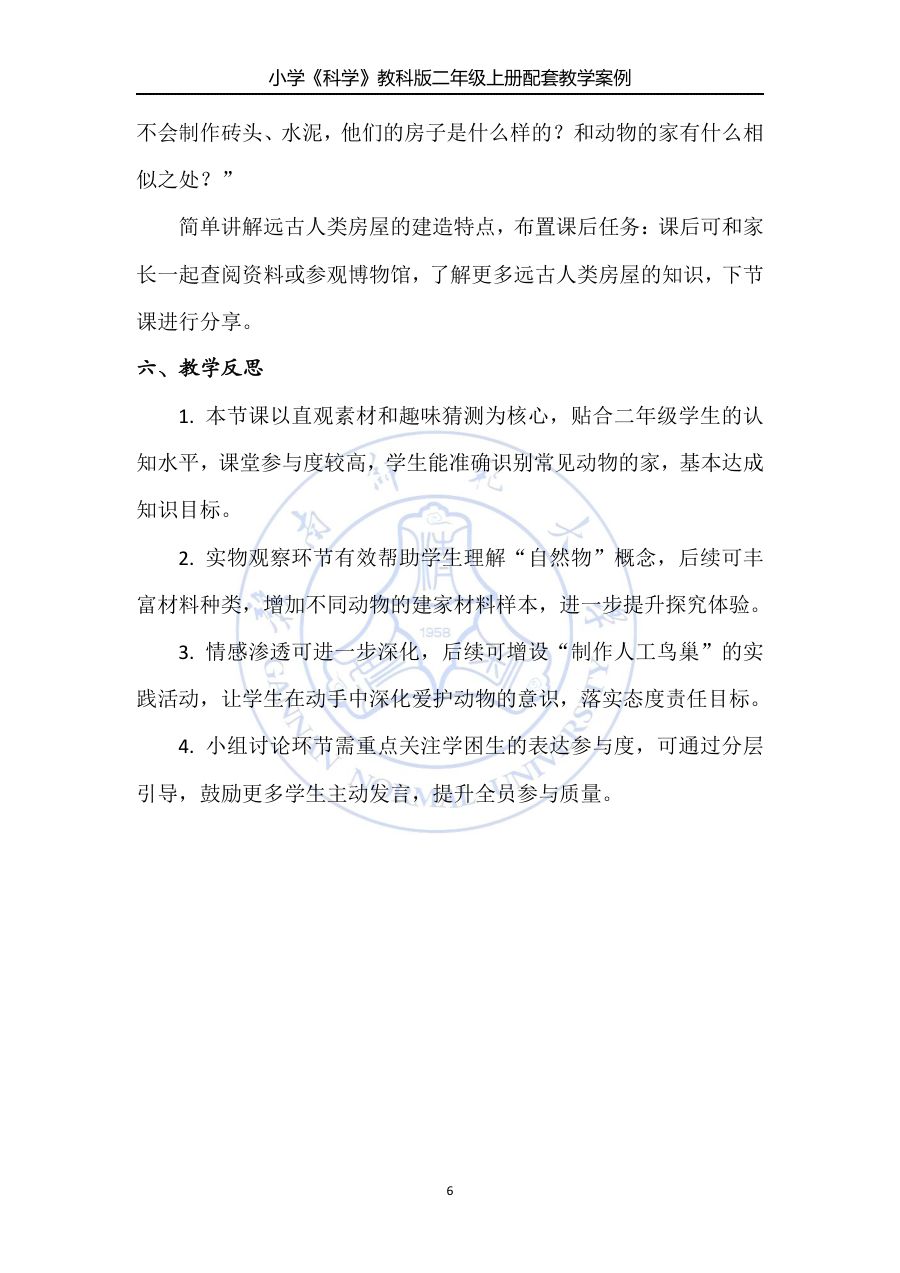
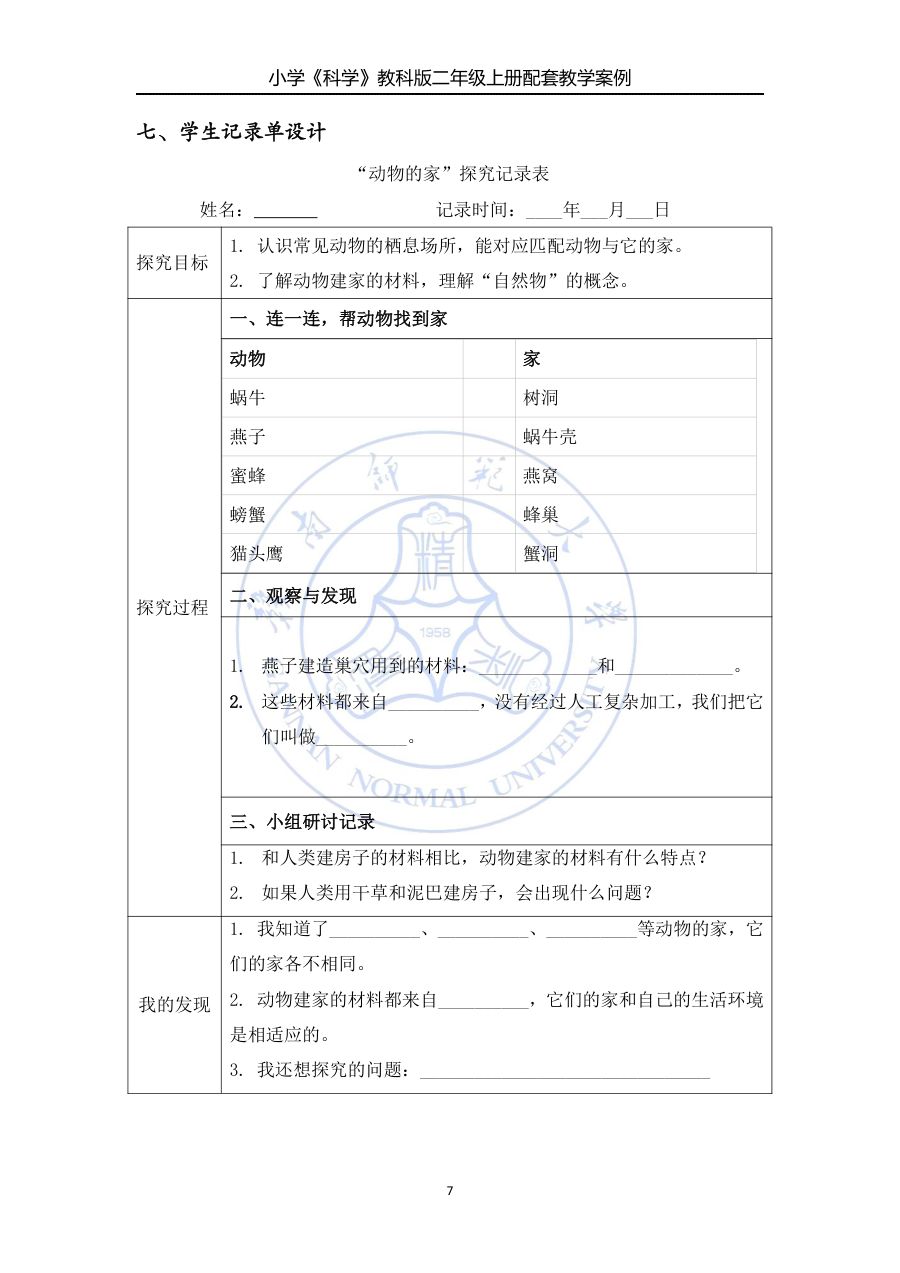
7-page lesson plan · compiled by Gannan Normal University (July 2026)
The "Animals' Homes" inquiry record sheet: match animals to homes, observe and discover, group discussion log — inquiry process documented, directly supporting process assessment.
Each lesson includes: micro-lesson video + PPT + lesson plan + student materials
Micro-lesson 2 min 15 sec · HD recorded lecture
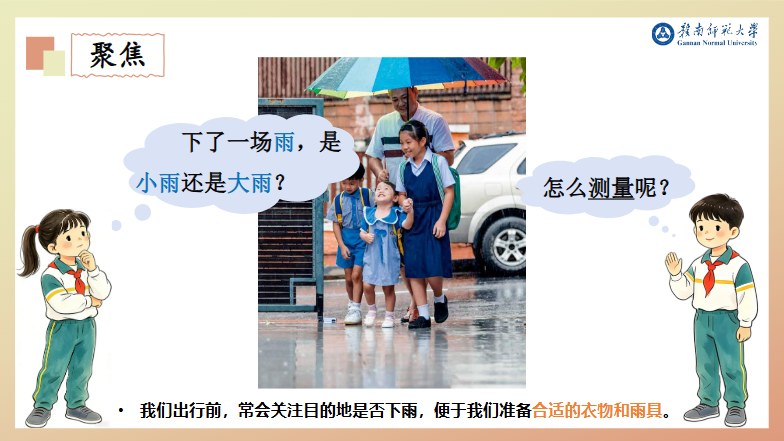
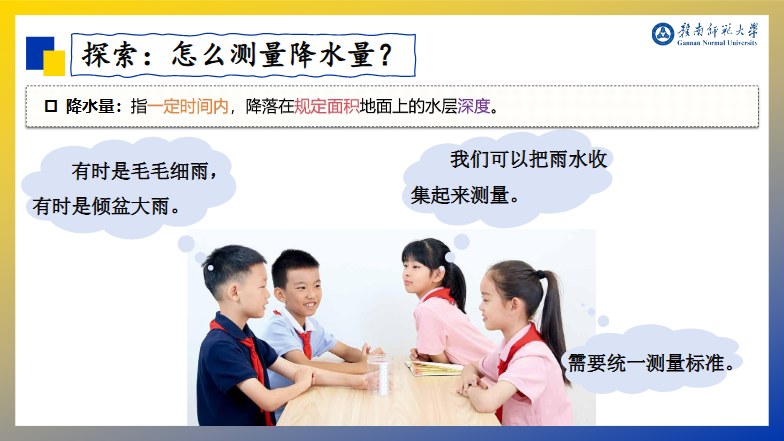
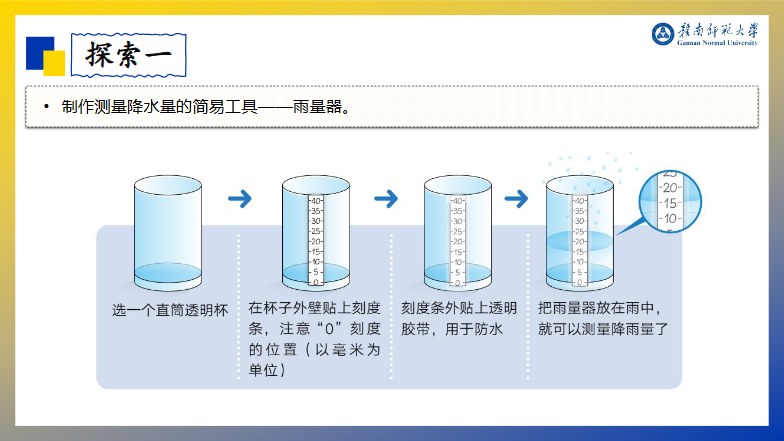
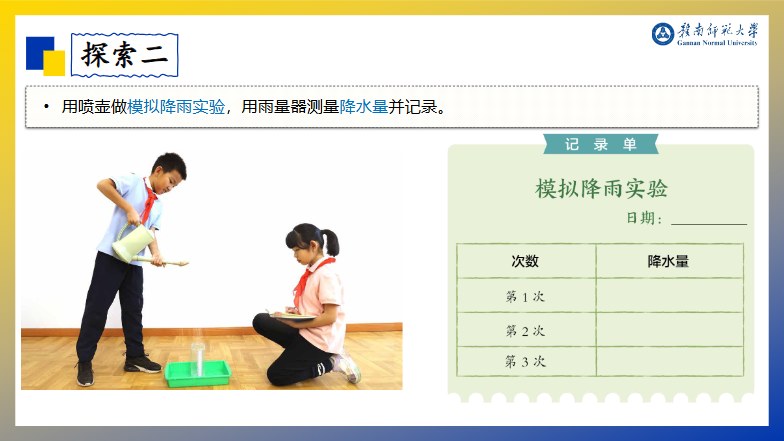
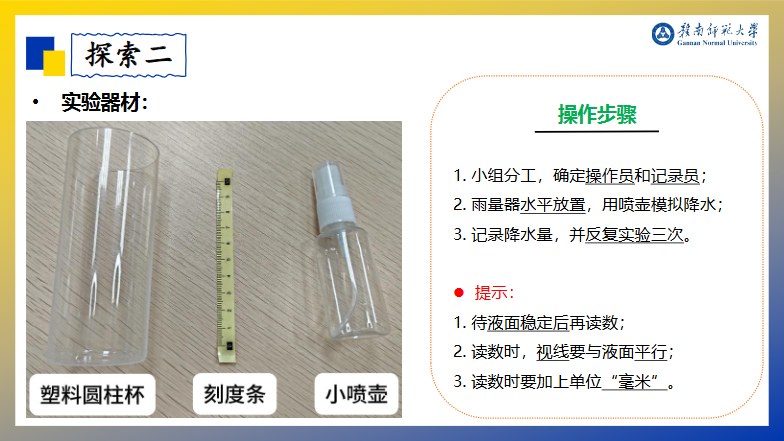
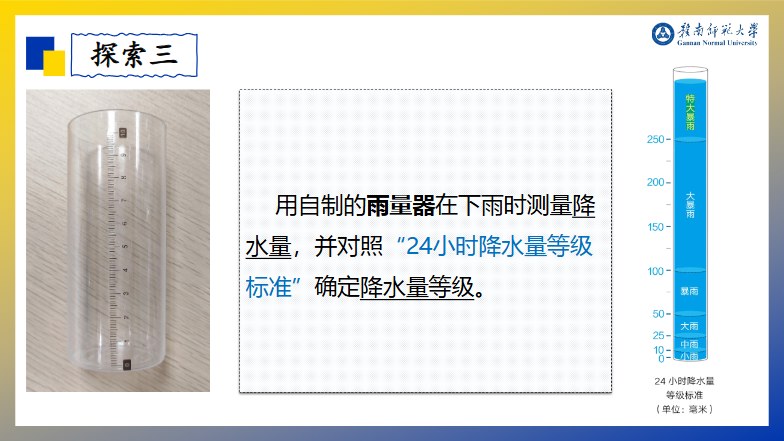
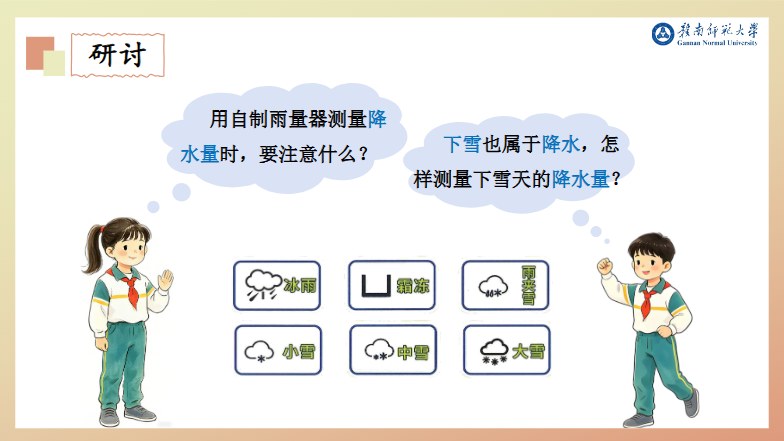
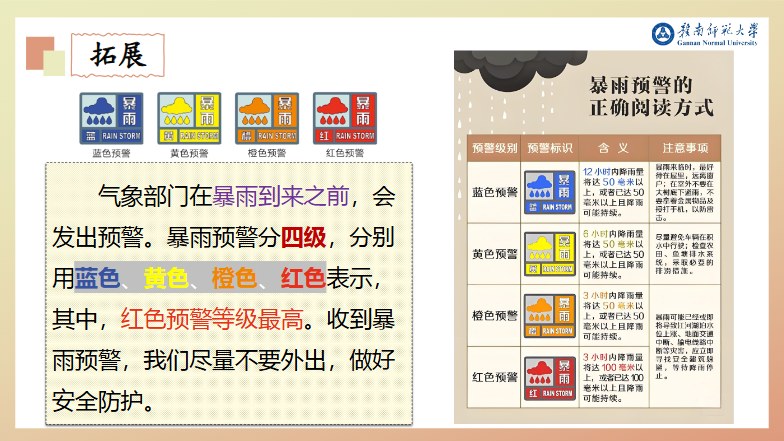
9-page PPT · complete focus–explore–discuss–extend inquiry chain
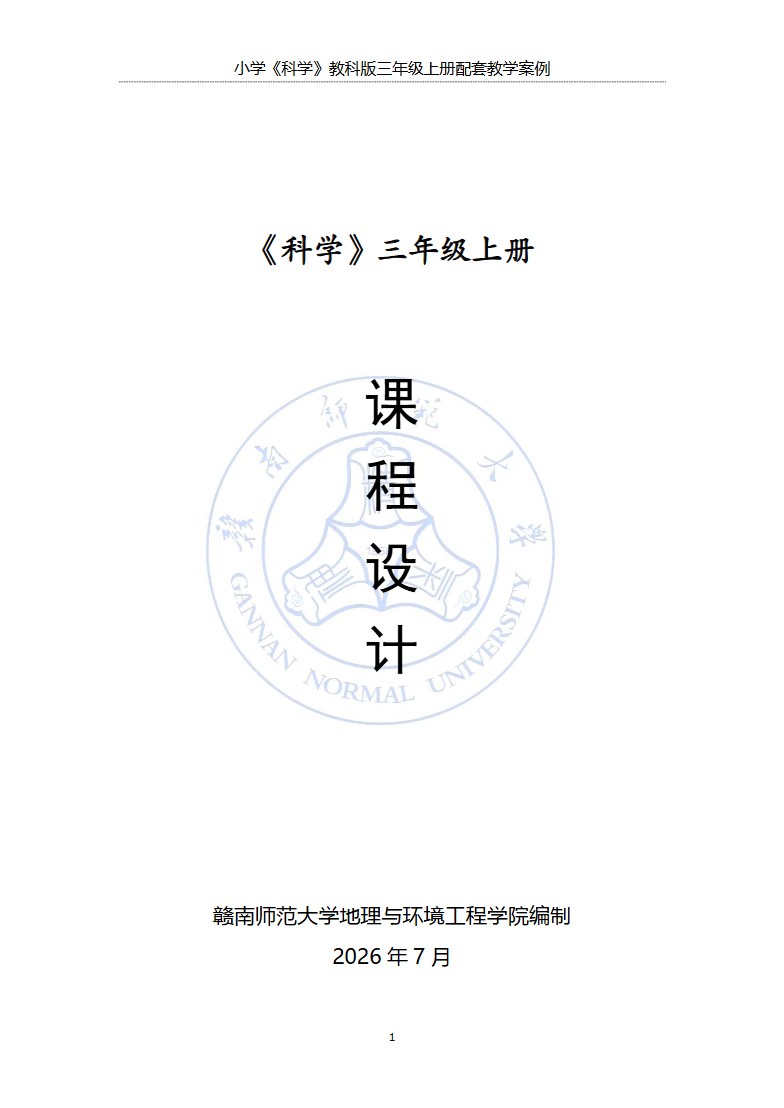
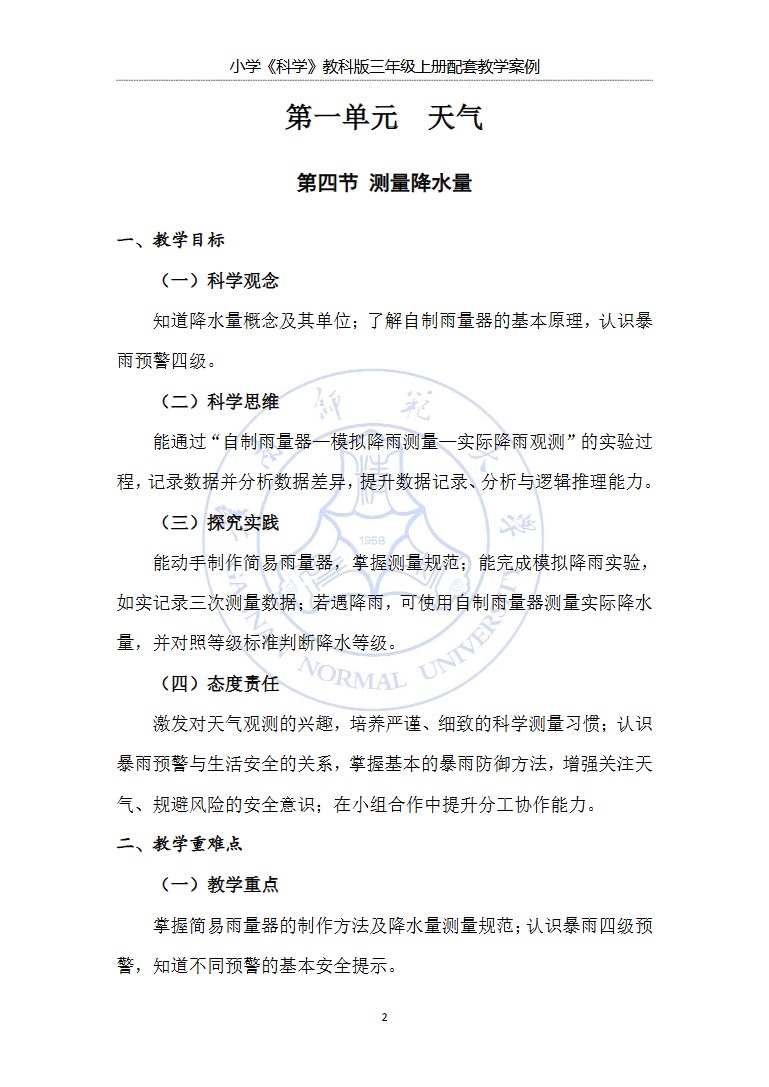
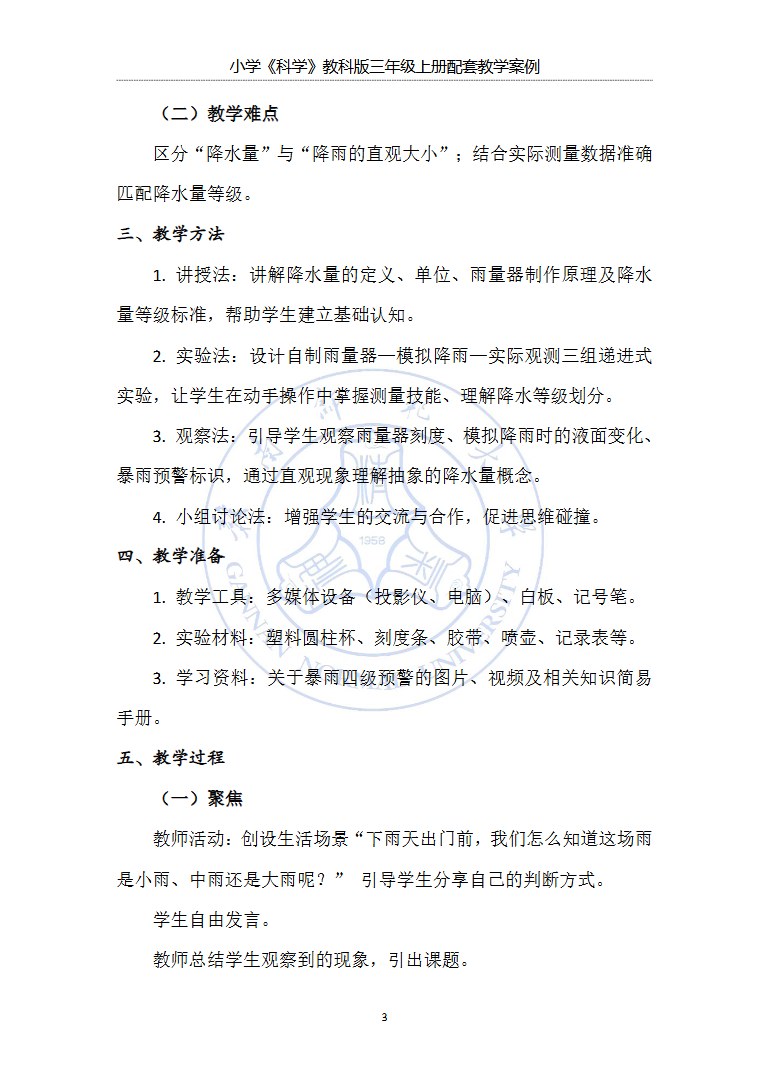
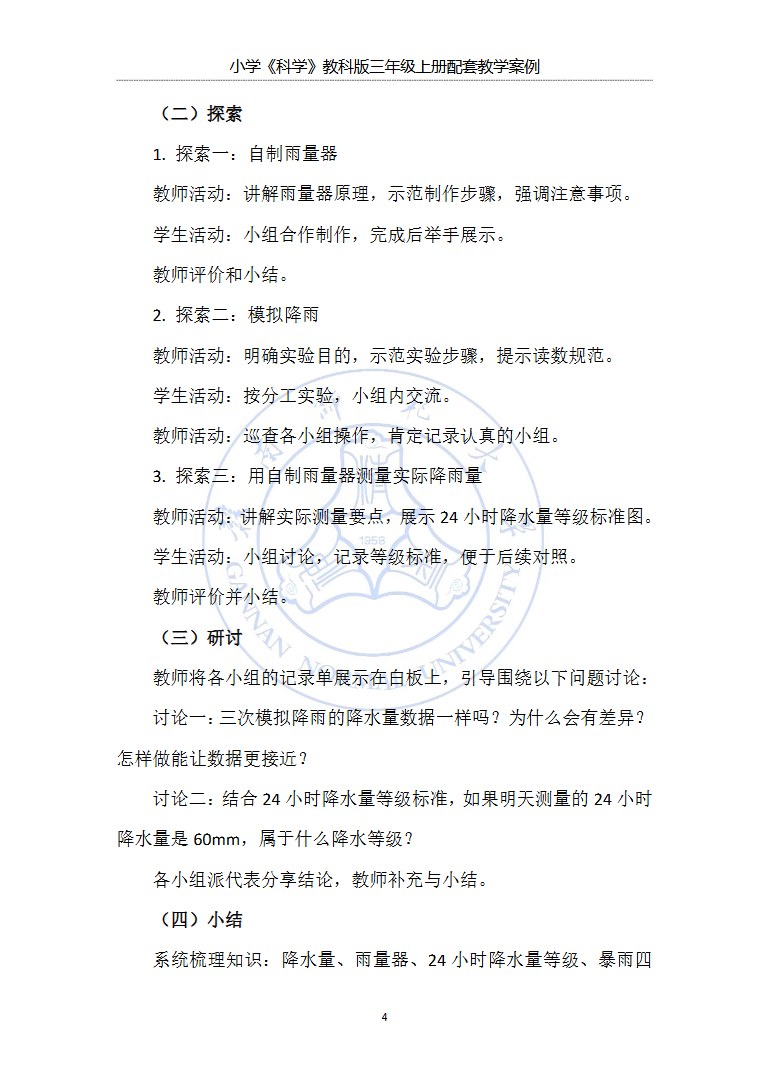
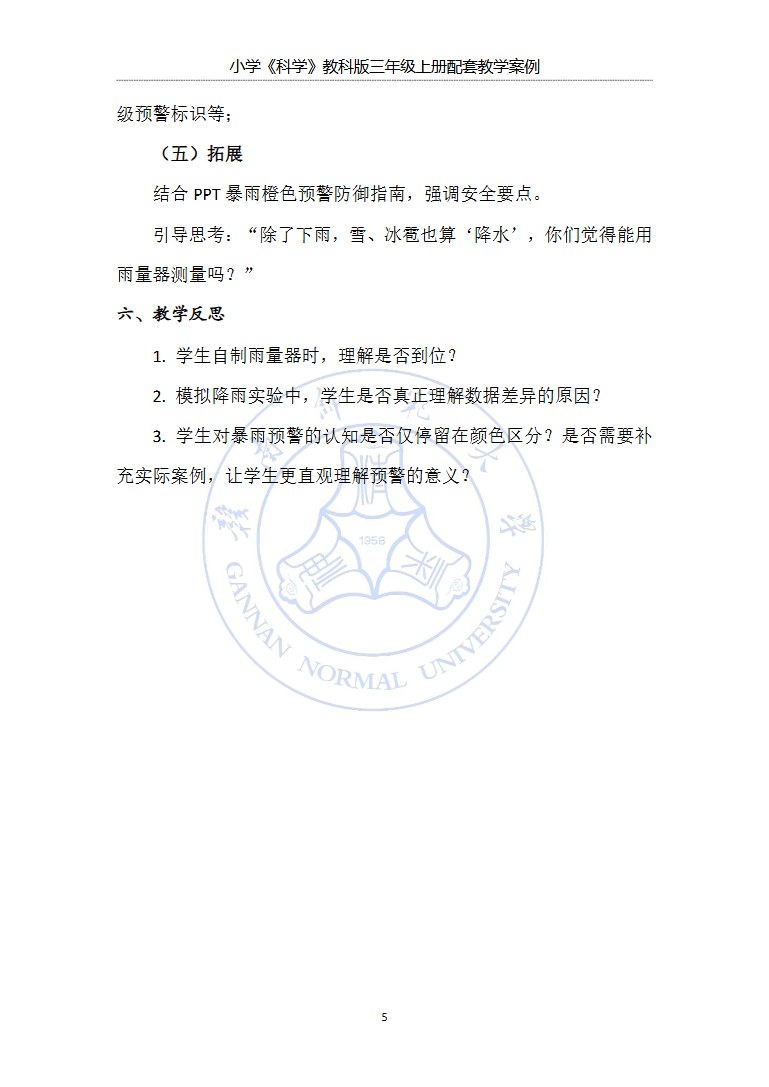
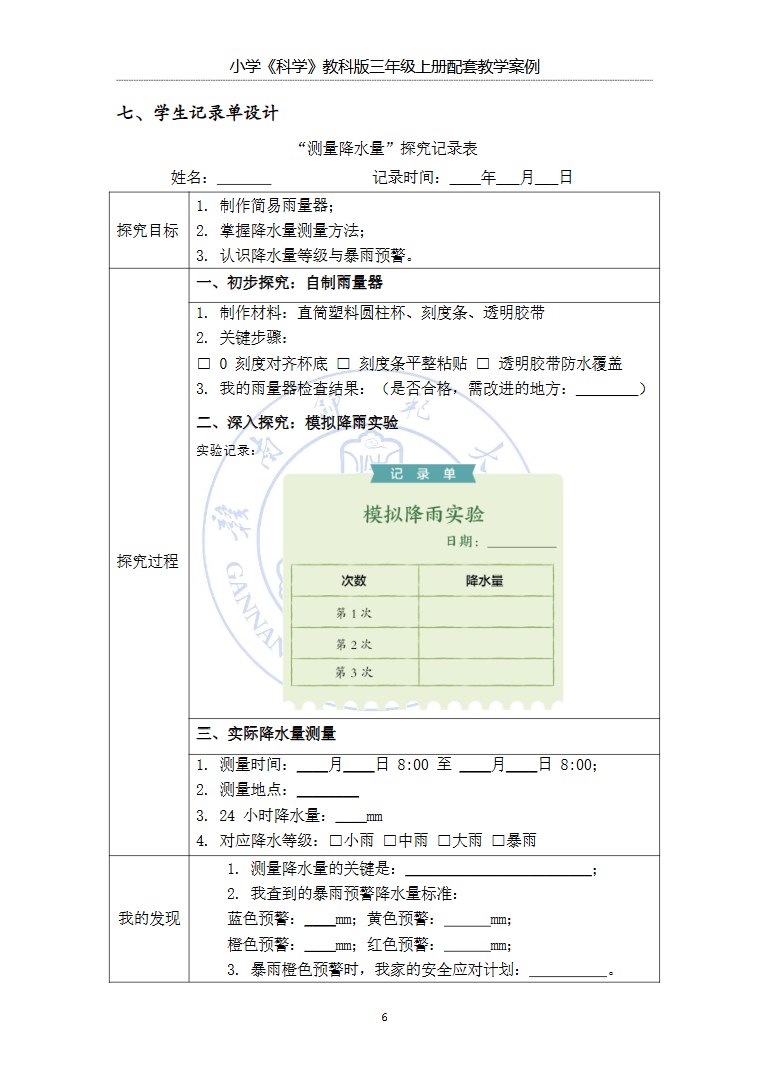
6-page lesson plan · compiled by Gannan Normal University (July 2026)
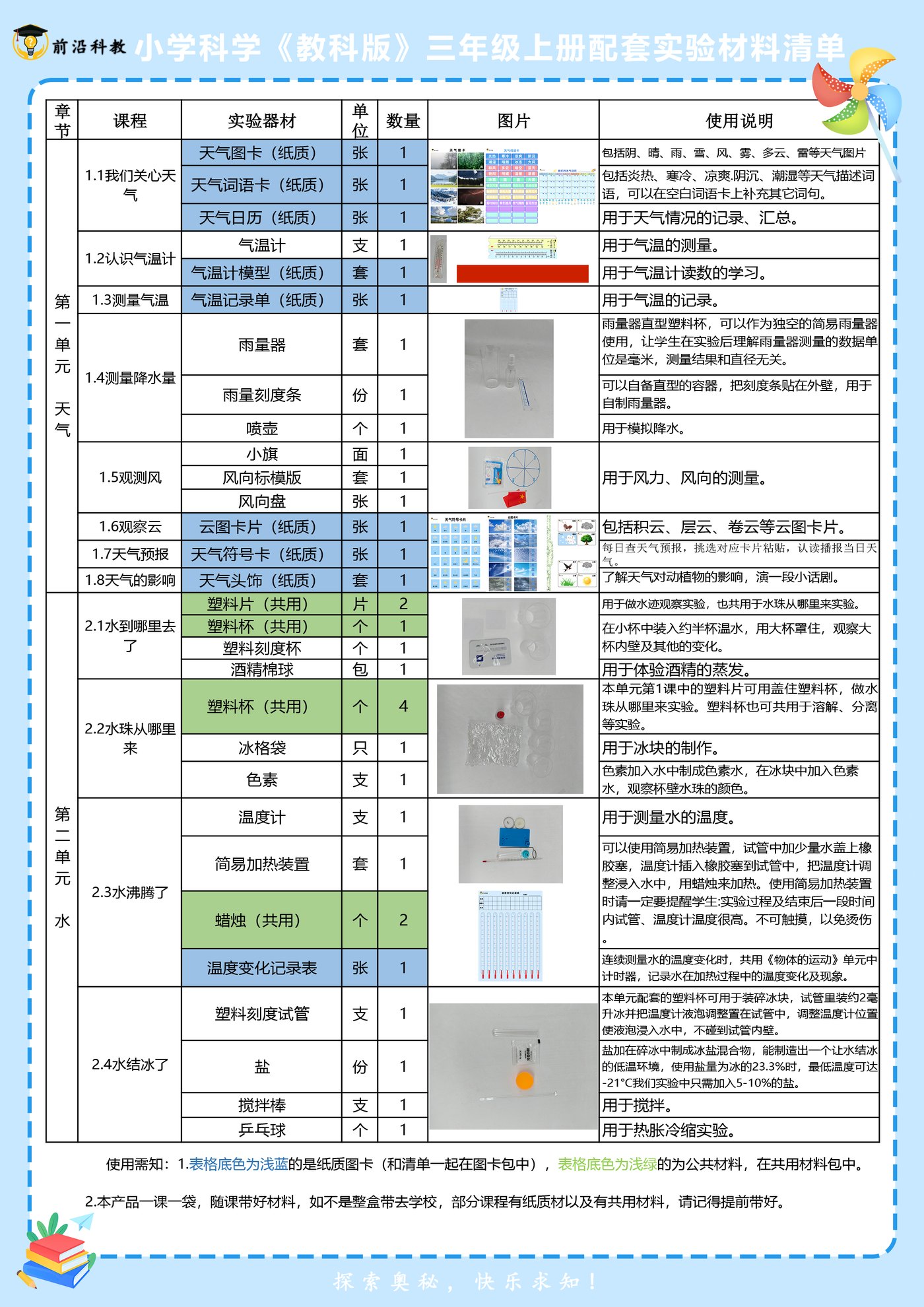
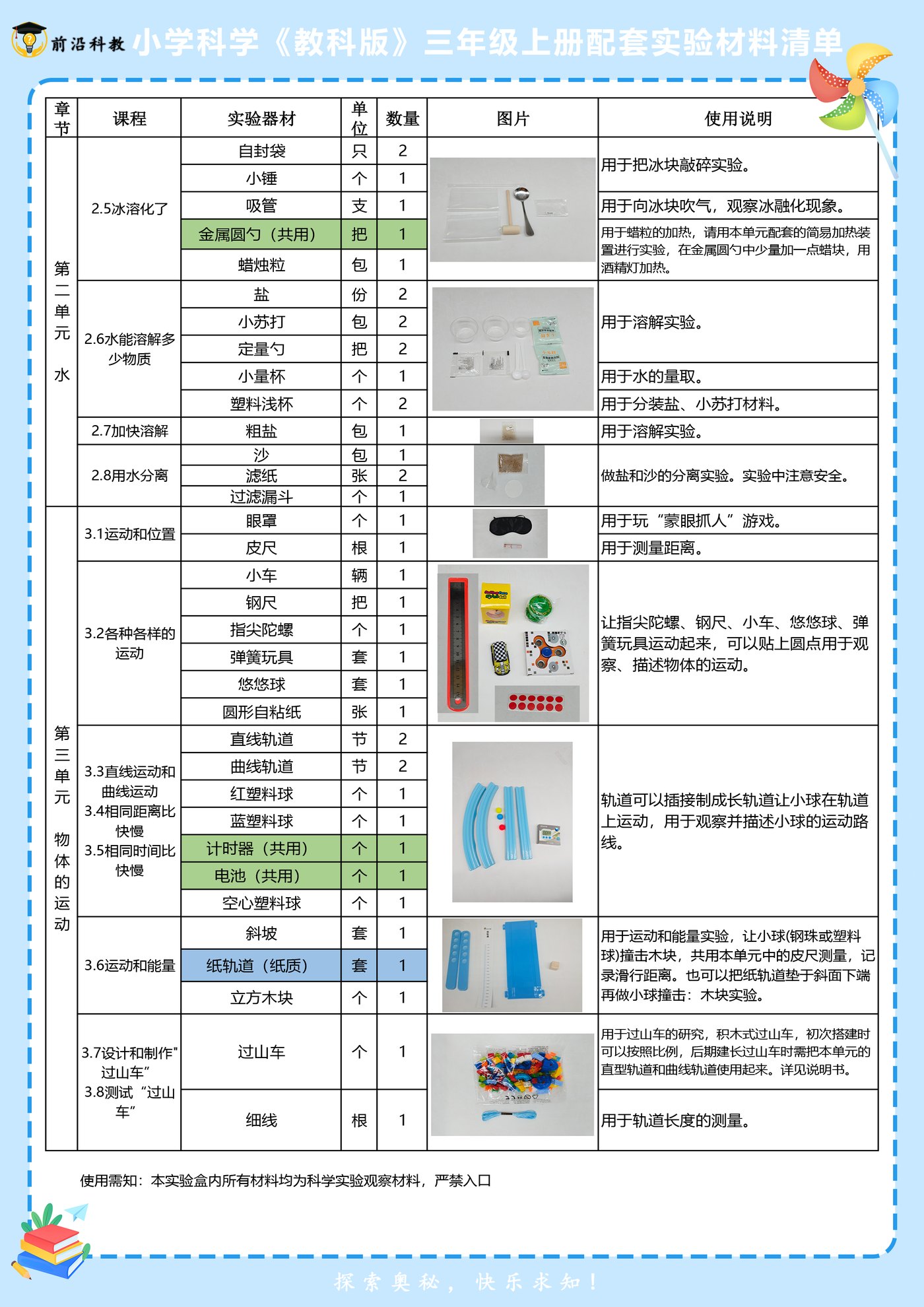
The list itemizes equipment name, unit, quantity and photos by chapter–lesson, covering the whole volume front and back; teachers can start class with the bag, no self-preparation needed.
After a school buys the service, the first acceptance check is not equipment quantity, but whether the course enters the school's implementation plan, whether teachers can organize it, and whether students complete real inquiry.
Based on the school's grades, timetable, staff and venues, form a semester implementation table from the 24-task pool, ensuring at least 1 task and 4 hours per semester.
Understand the Guide's goals and stage requirements; complete core-task practice; master task sheets, equipment, safety, assessment and class organization.
Demo lesson + joint lesson planning; school teachers lead, project team supports, solving real classroom problems in first implementation.
On-site support in real classrooms, polishing lesson by lesson from equipment use to group organization.
Post-class review, lesson grinding, data analysis, consumables records and course-version iteration form a regular research mechanism.
Establish equipment check, consumables replenishment, resource updates and onboarding for new teachers, gradually achieving school autonomy.
Strengthen process assessment; set observation points at key stages; combine classroom observation, practical operation, oral reports, work displays, self- and peer-assessment to collect performance evidence.
Can independently discover and raise inquiry questions from real contexts
Can plan inquiry paths; use observation, experiment, reasoning, design, testing & optimization
Can review process and results; analyze causes and improve in review and feedback
Can divide work and collaborate effectively, listen and share, and question with evidence
The six-theme, 24-task standards course pool, plus the school's own semester implementation table
Lesson-matched equipment and consumables, plus check, replenish, safety-check and reuse mechanisms
A teacher team able to run PBL and inquiry learning, plus a school-based research mechanism
Continuously accumulated questions, plans, data, works and science inquiry portfolios
A sustainable, demonstrable science-education curriculum brand
Products have been used long-term in schools in Jiangxi and surrounding provinces, and are expanding to Shandong, Shaanxi, Ningxia, Gansu and beyond.
Industry-academia-research cooperation with the School of Geography and Environment, Gannan Normal University; a co-build base is established, with course resources continuously developed and iterated by the university team.
Primary-science "one bag per lesson" materials and the "learning by doing" theme course pack are used in real classrooms of multiple schools, forming a replicable implementation plan.
Hunan science-education regional service center: offers schools a "school-research integration" plan with curriculum planning, teacher training and science-research-study linkage.
Leave your school info and needs; we will contact you within 1 working day with curriculum planning advice and an on-site demo arrangement.
Submitting means you agree we may contact you via the info you left regarding the project.
13319507485 (tap to call)